
Restaurant Rizom
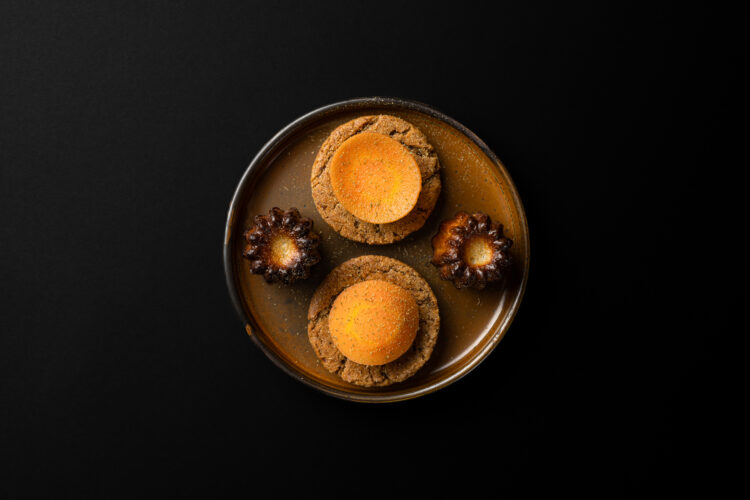
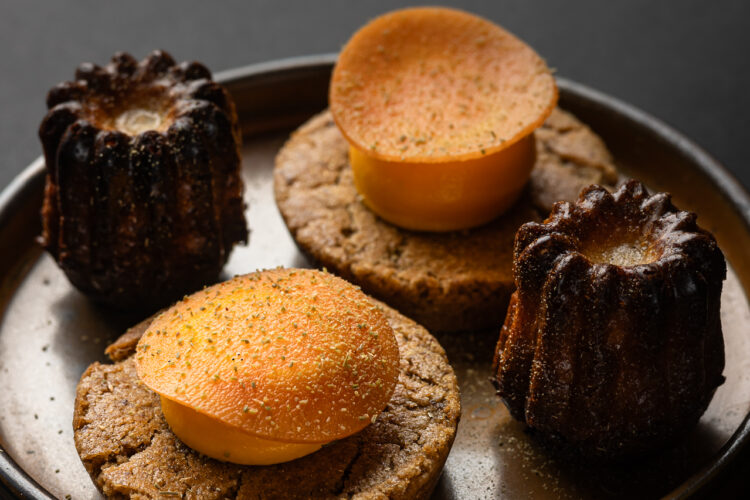
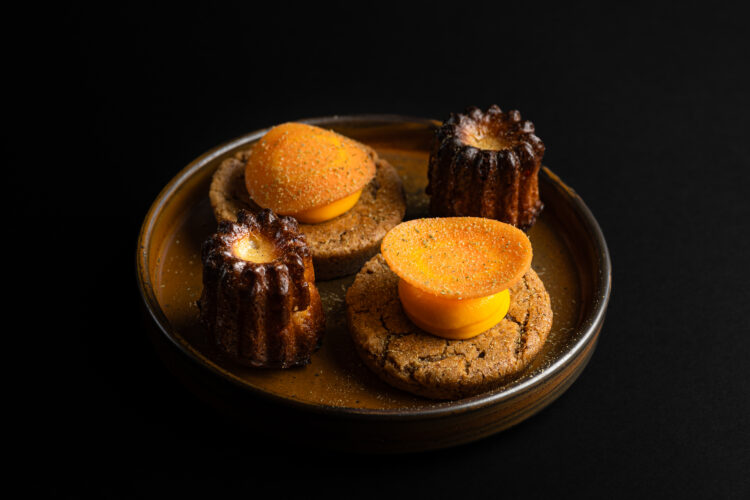
Elsewhere Within Reach
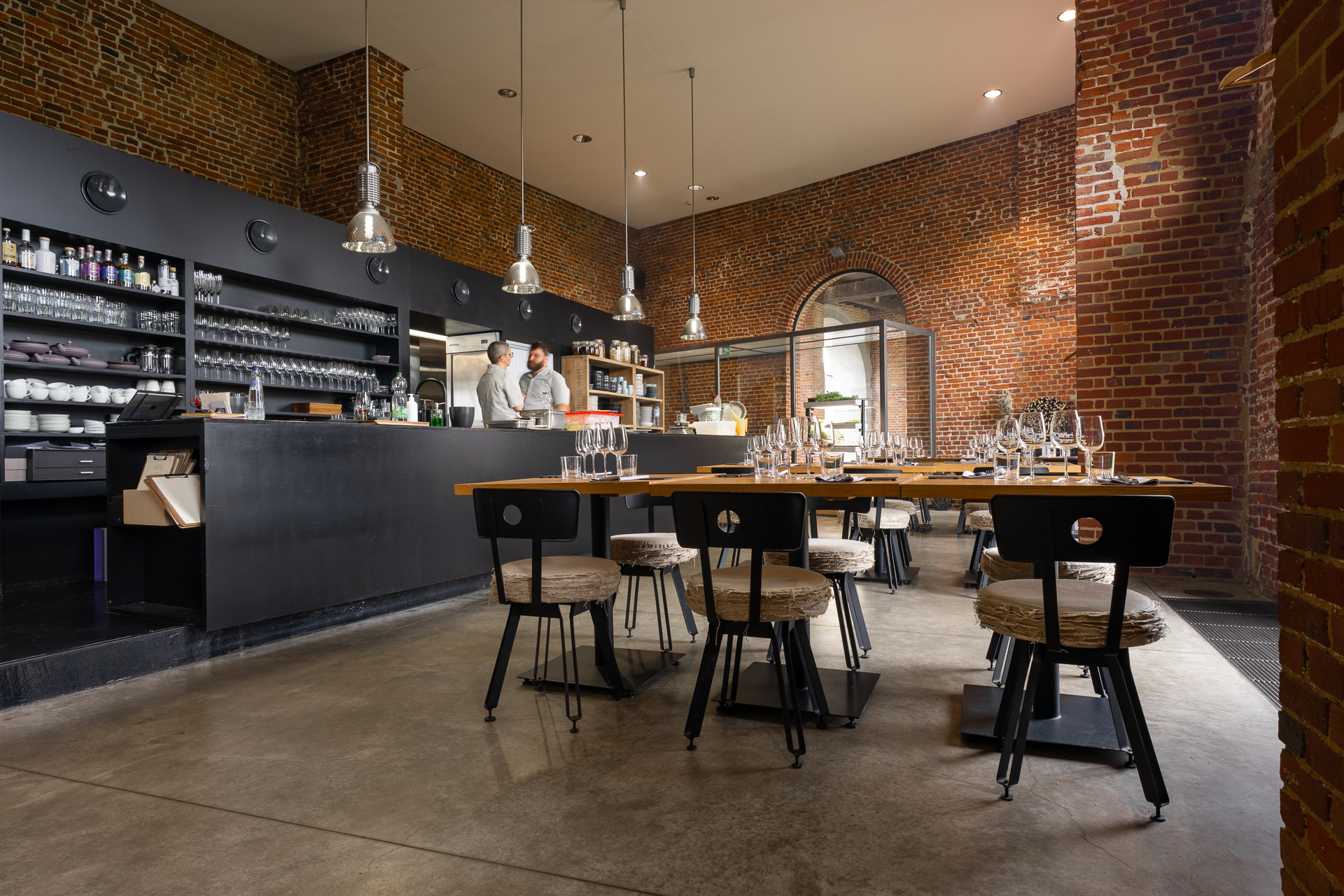
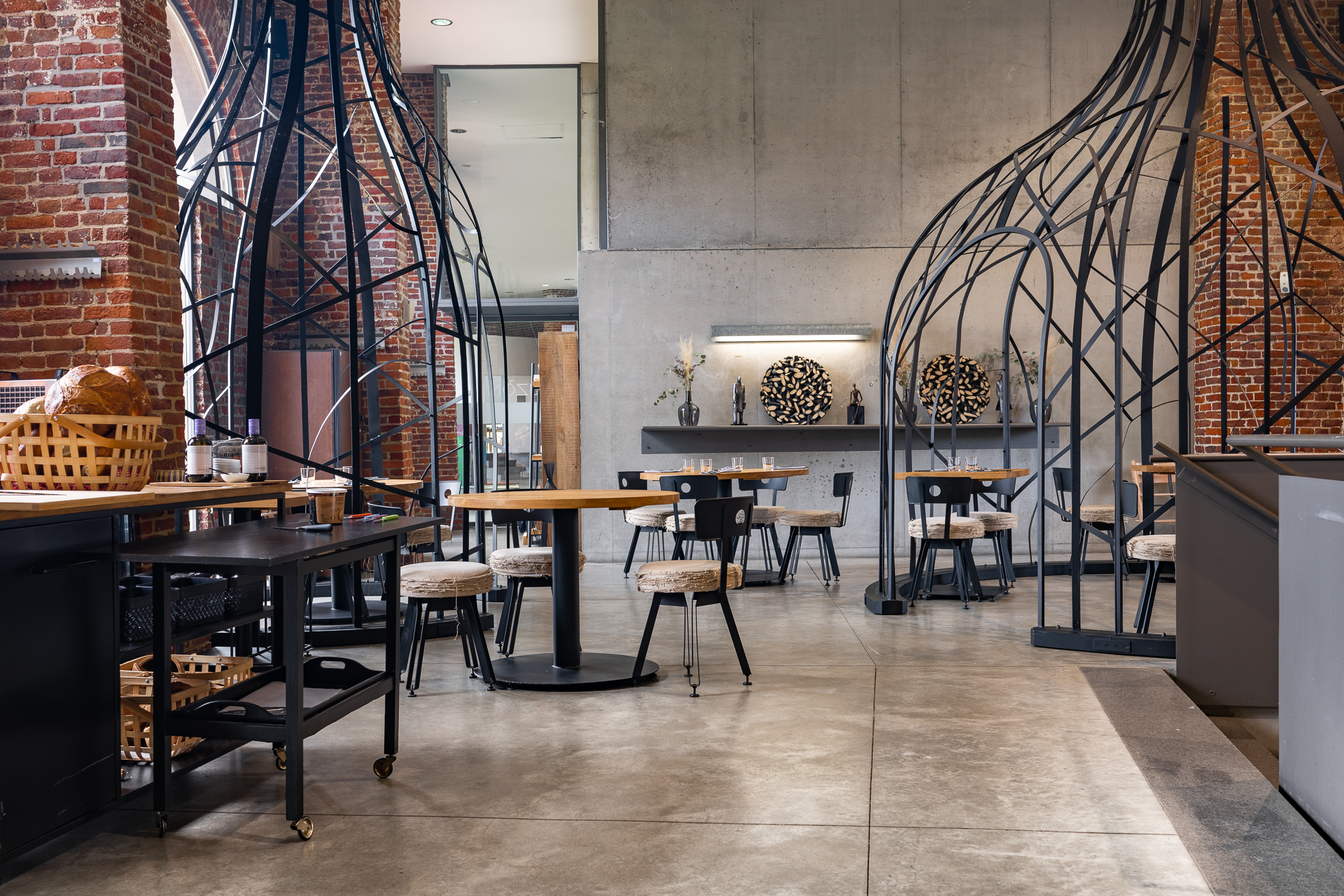
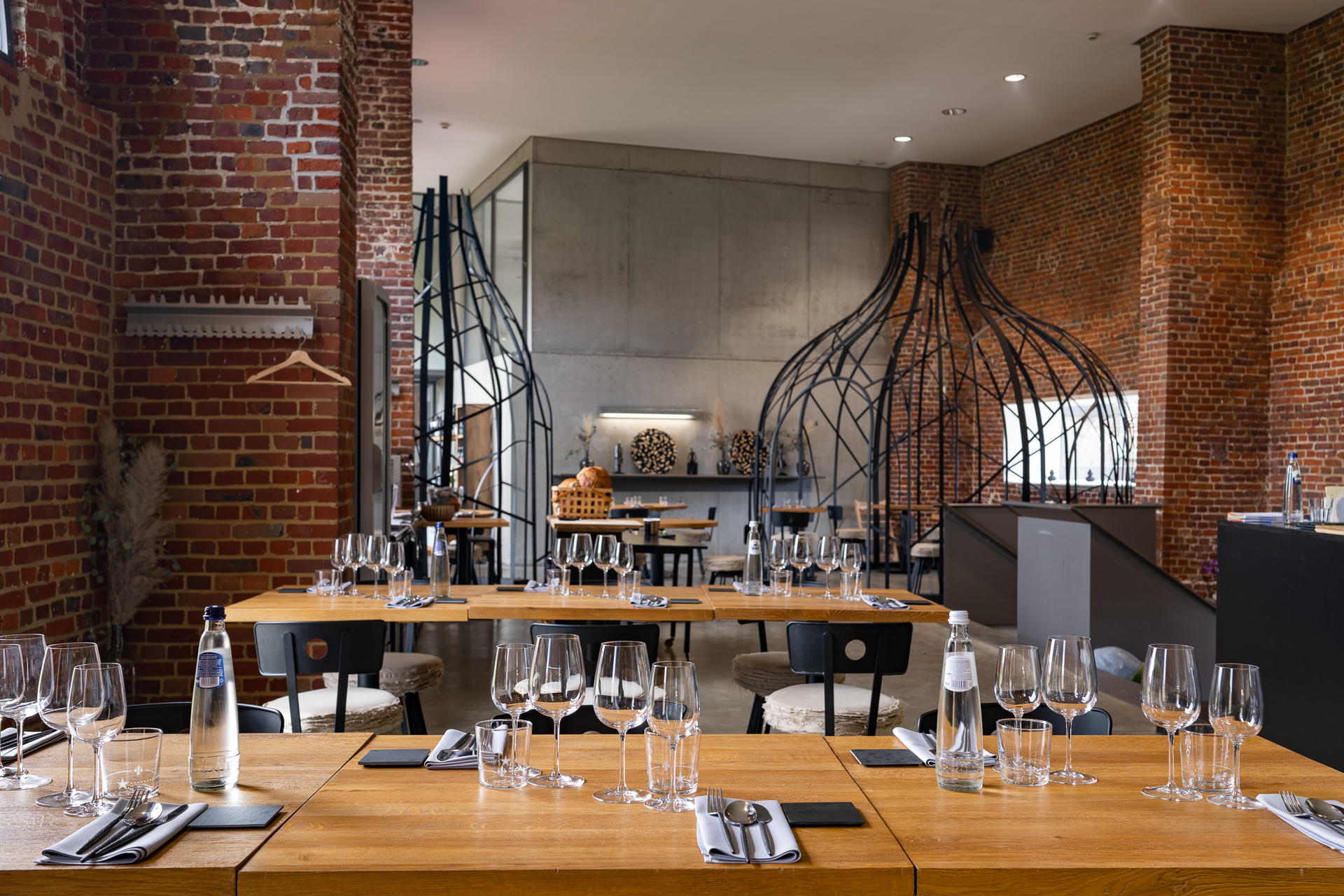
Arriving at Grand-Hornu, walking along its history-soaked walls, you can feel both the weight of its industrial past and the pulse of a living art form. Just steps from the Museum of Contemporary Arts (MACS), Rizom reveals itself as a breath — a space suspended between memory and modernity, between the rawness of the site and the gentleness of culinary craft.
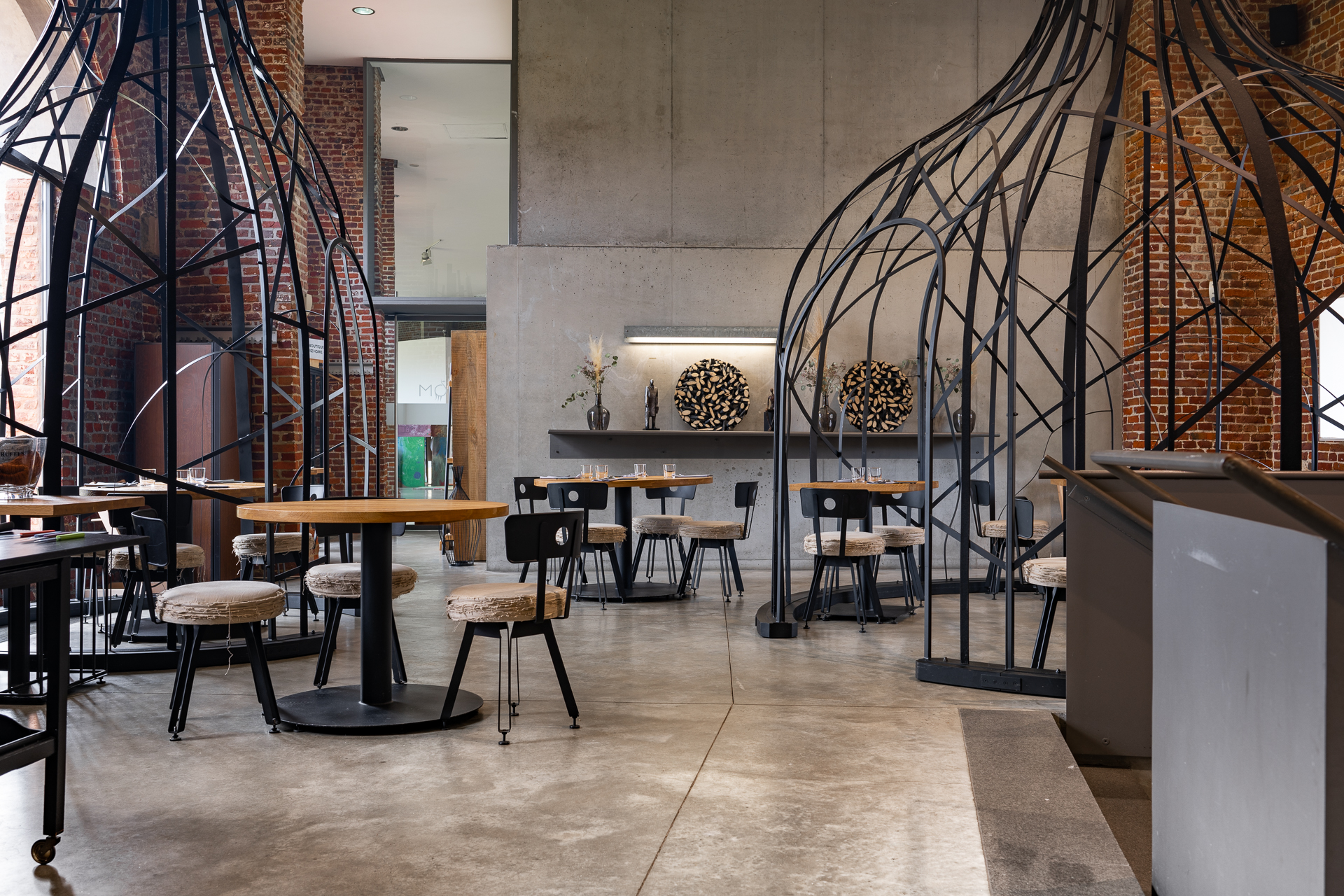
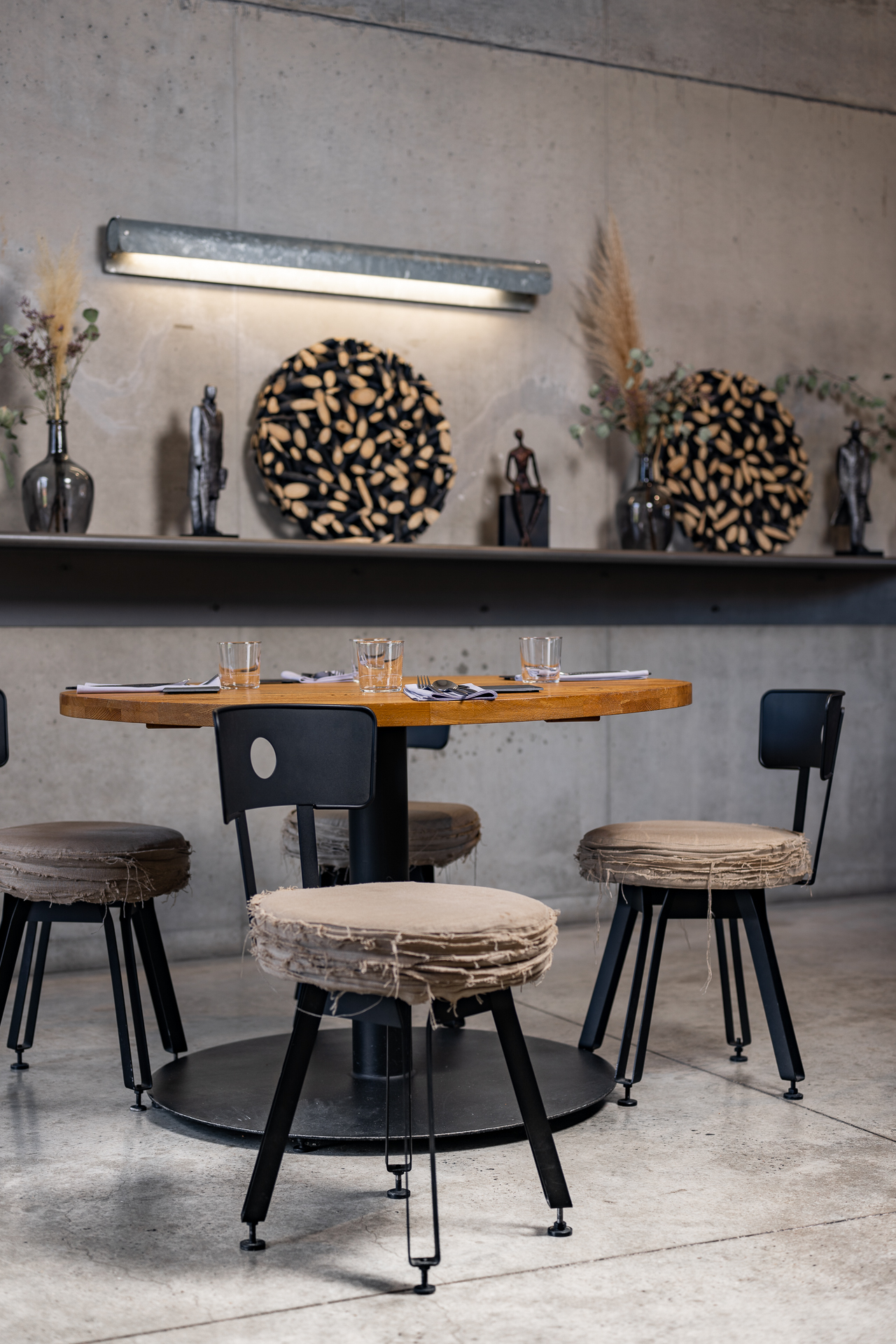
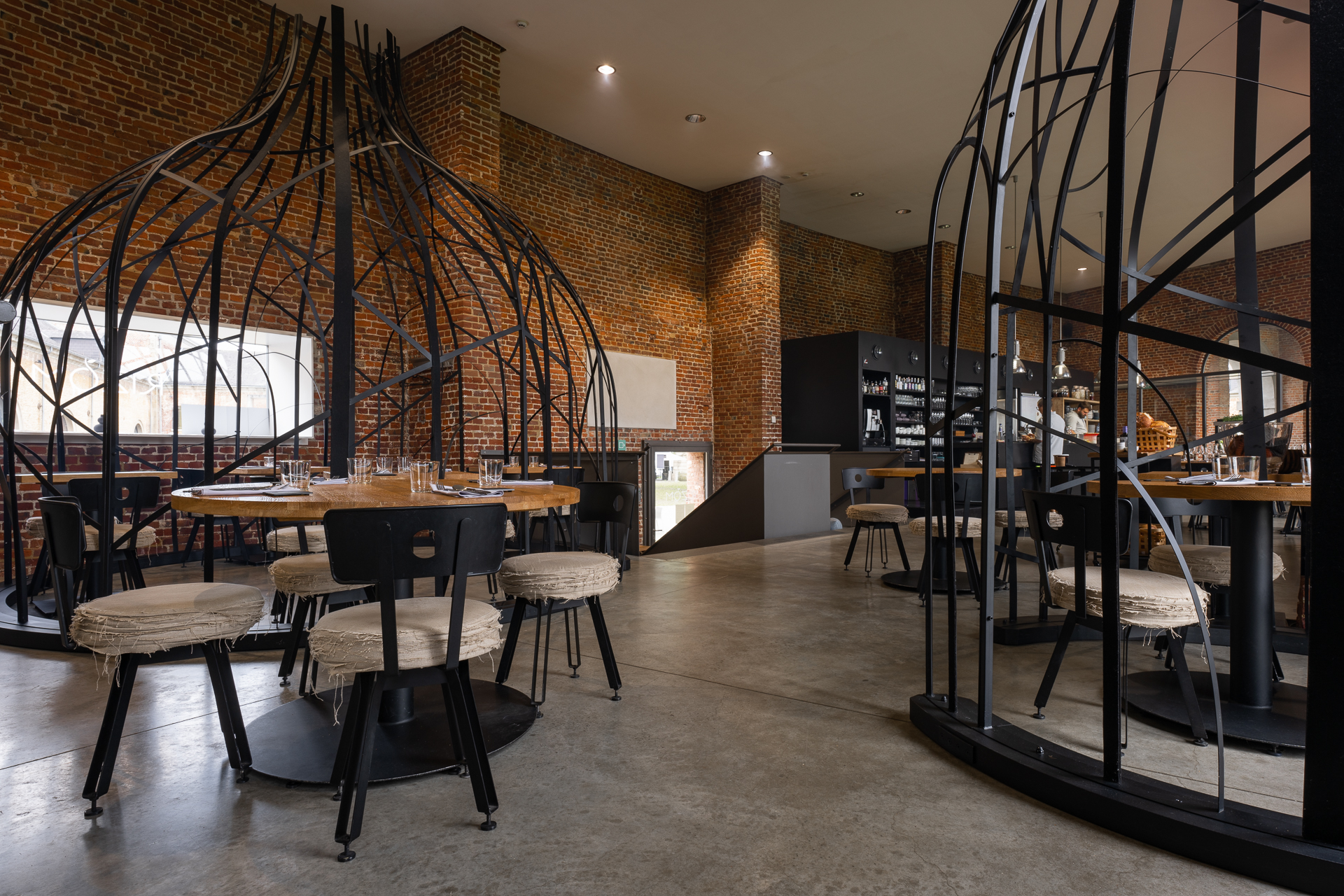
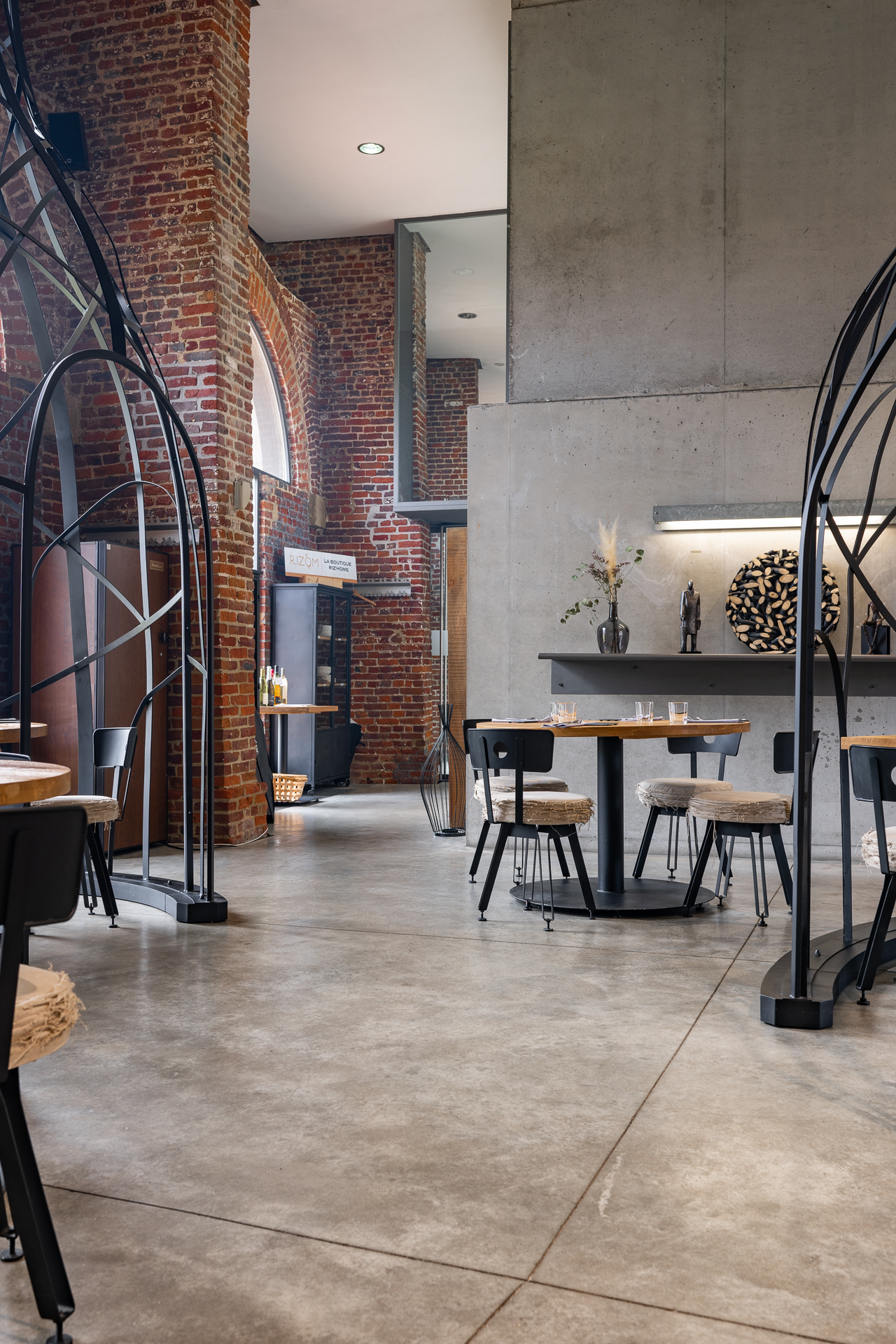
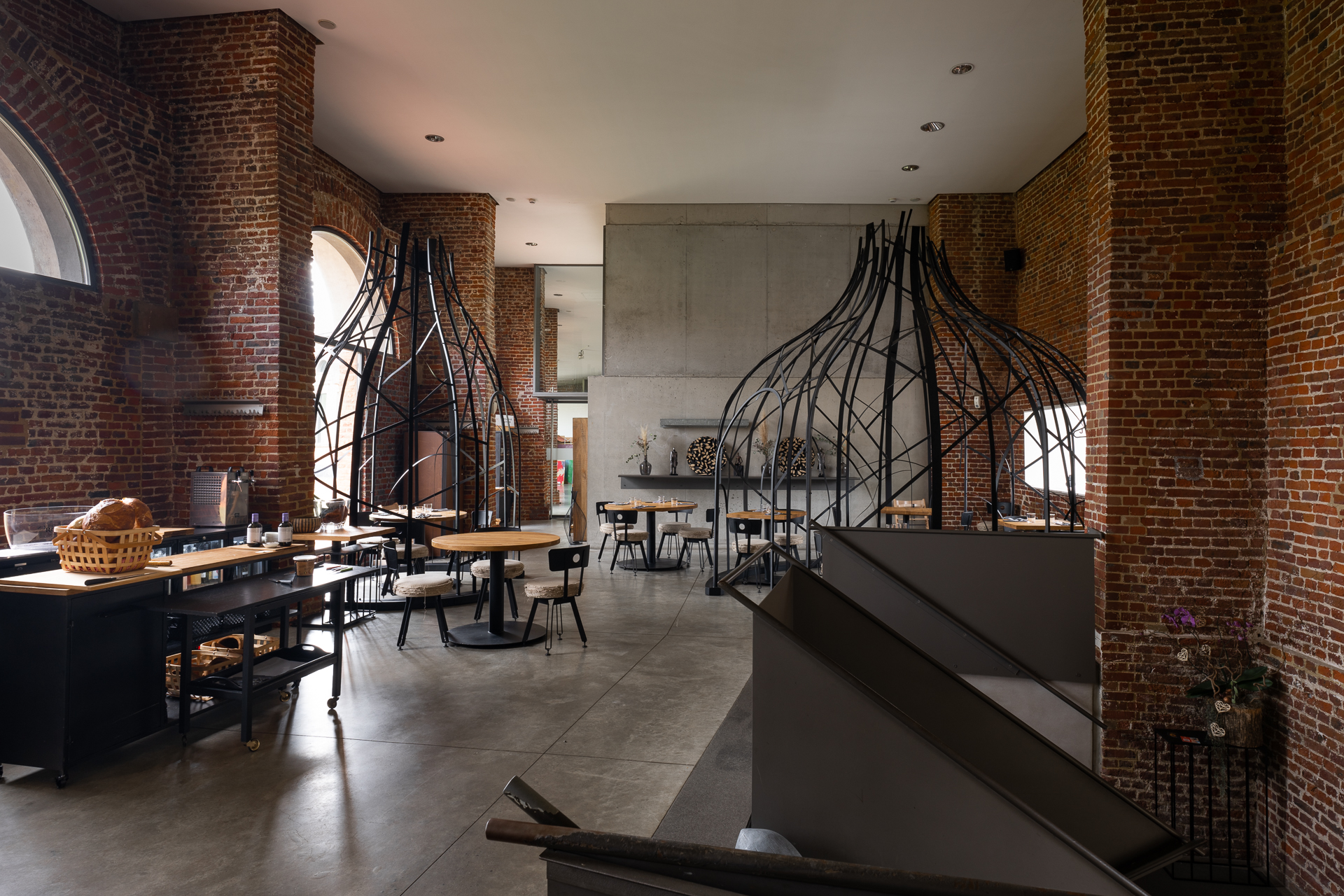
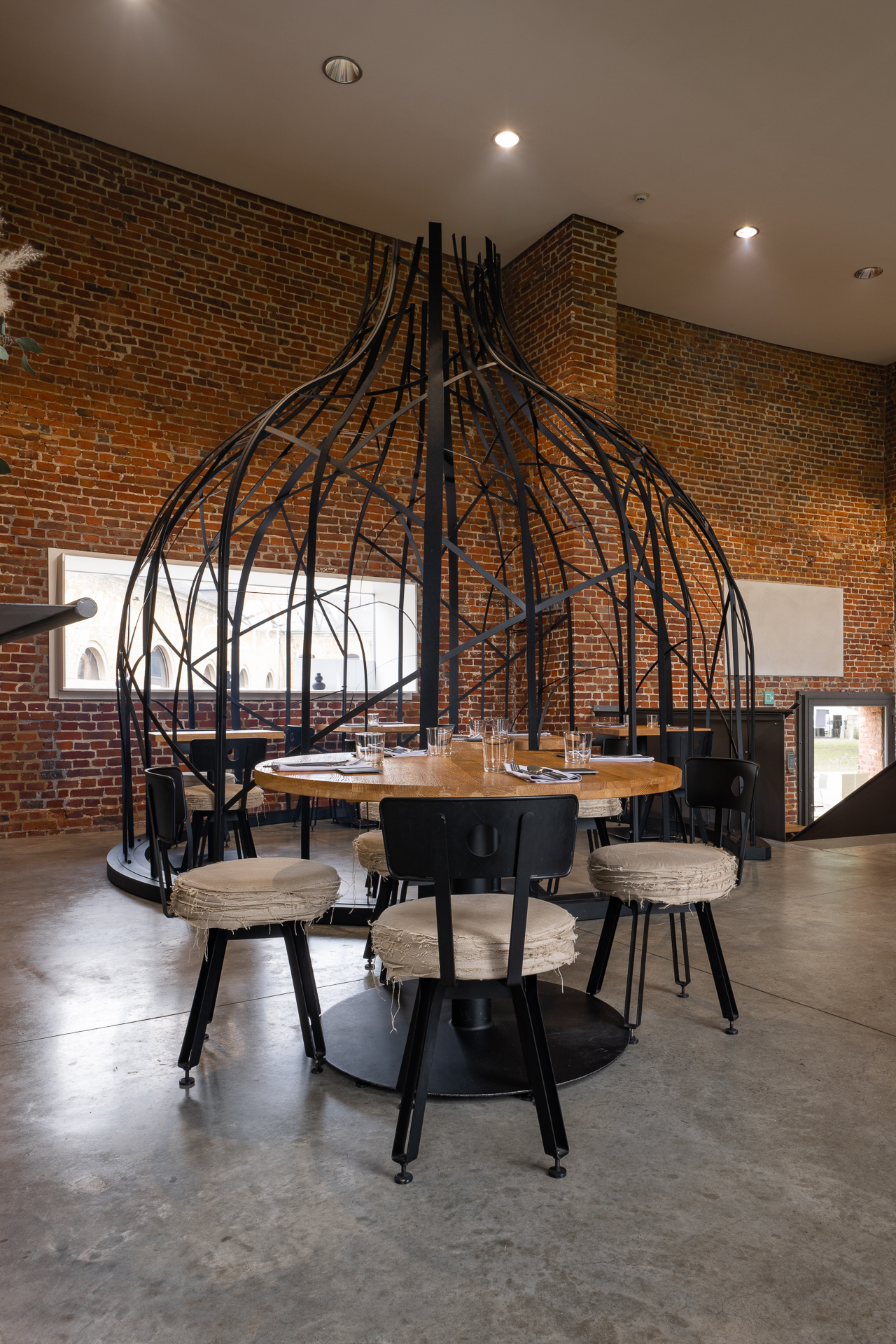
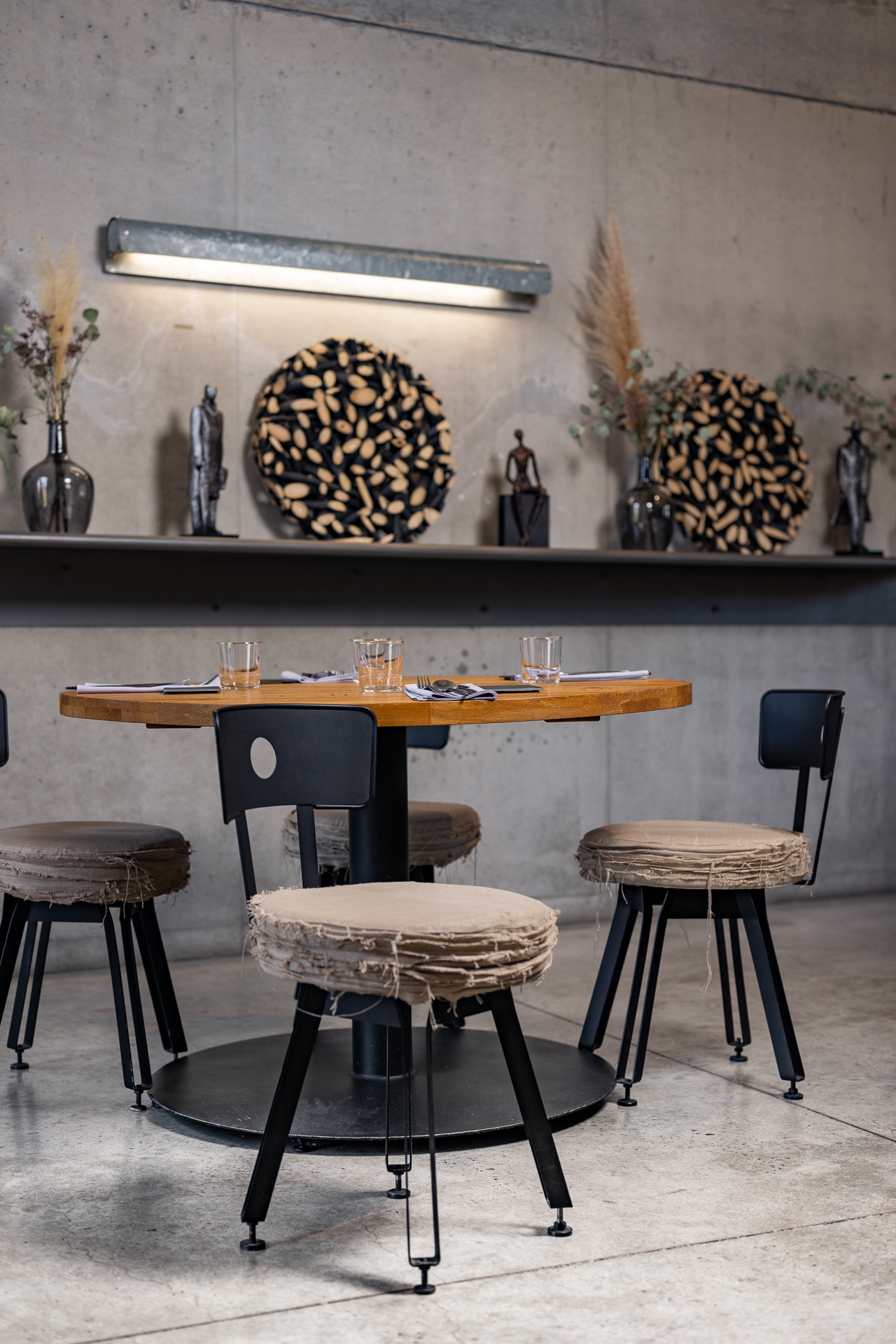
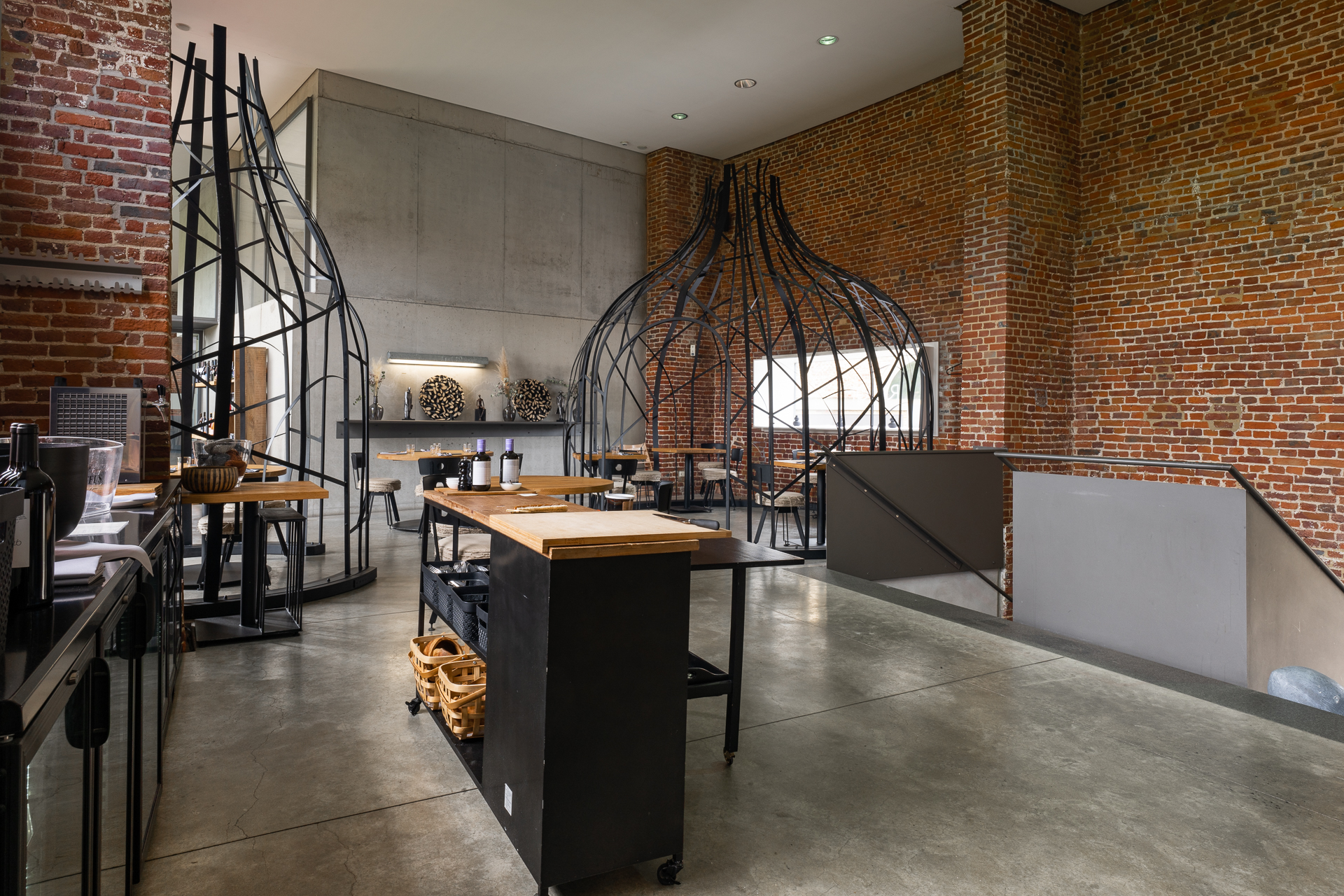
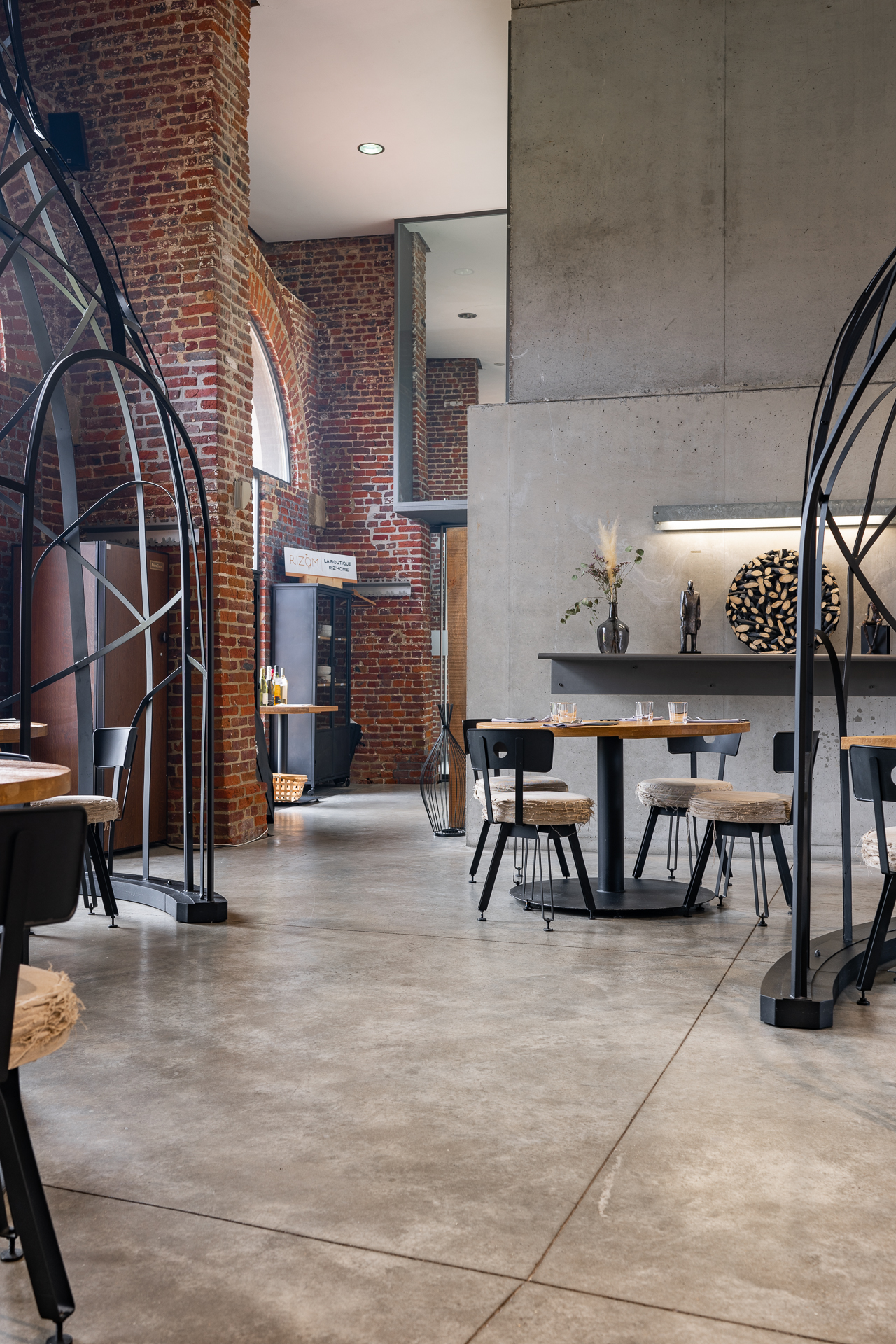
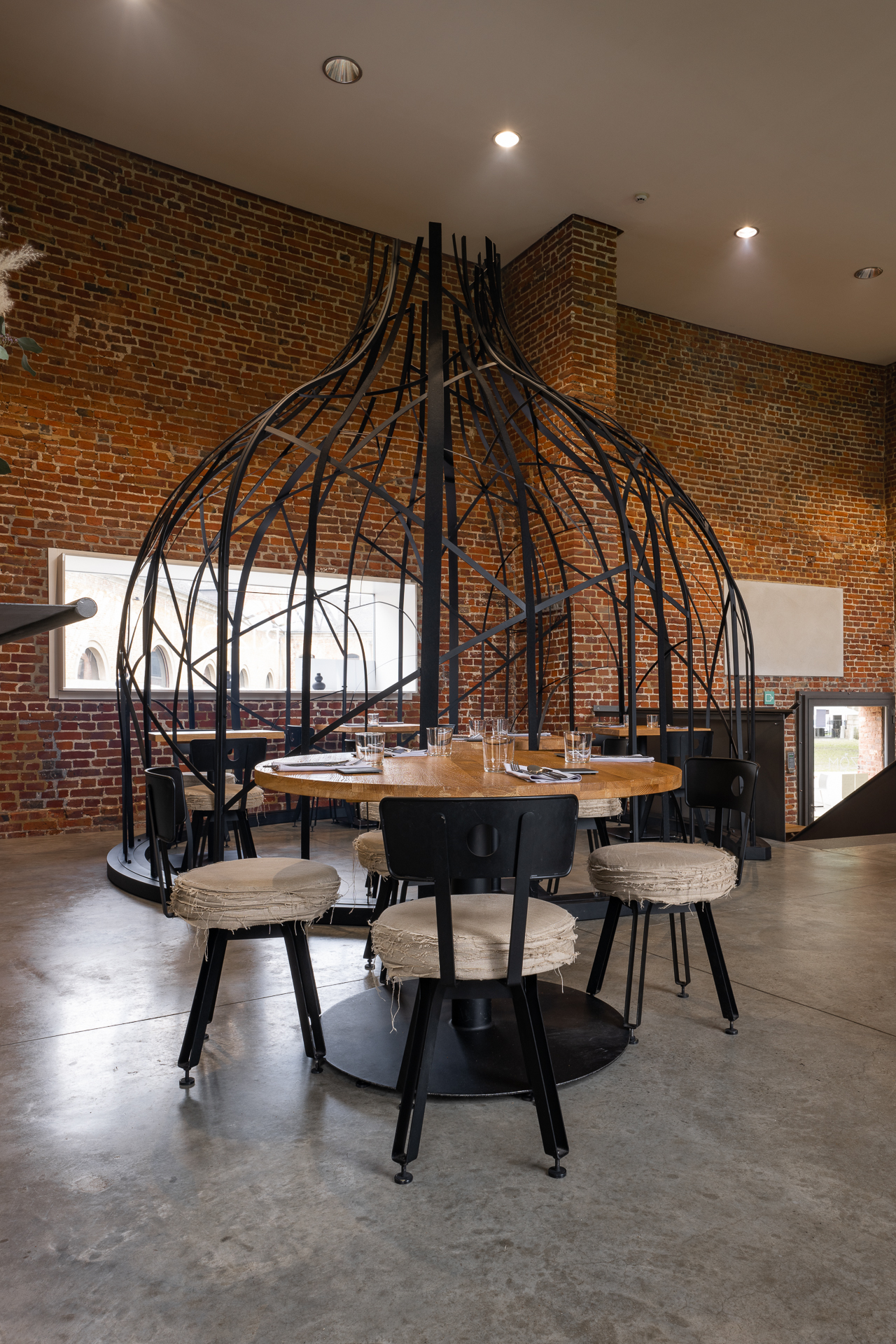
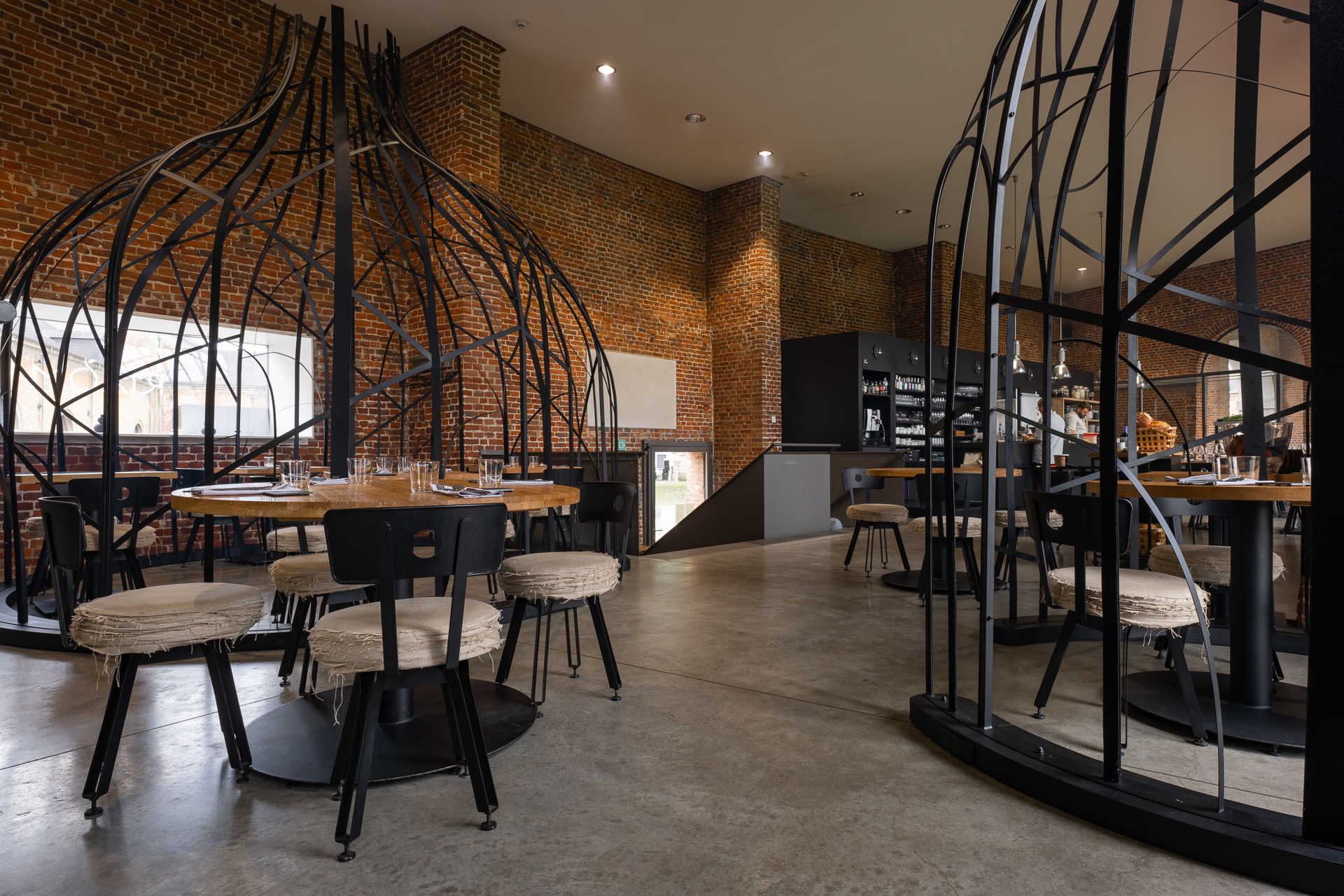
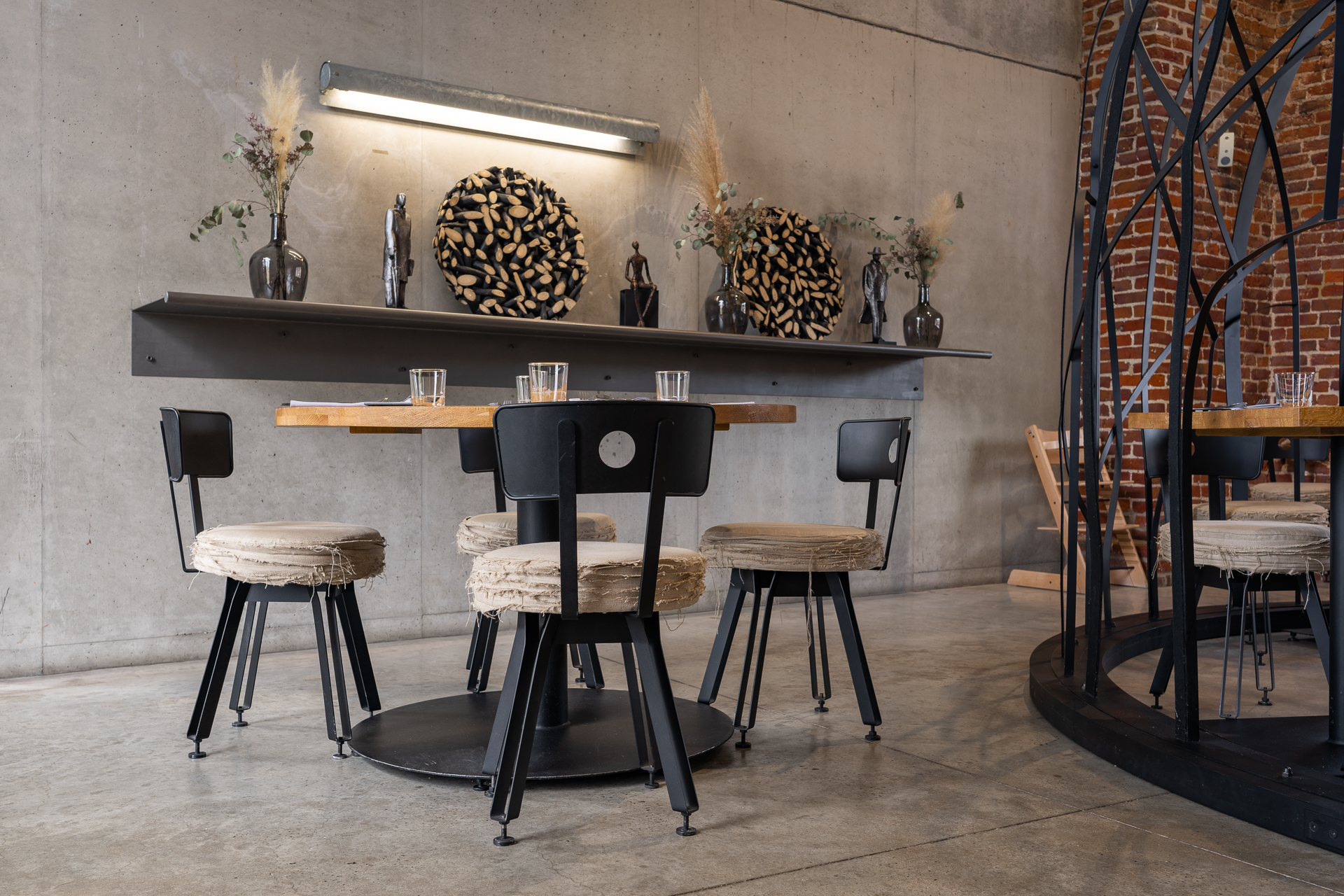
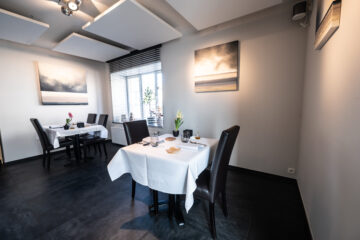
The walk itself feels like a promise: to head towards Rizom is to leave the noise of the world behind and enter a bubble of clarity. Brick, wood, concrete and metal compose a raw, balanced décor, perfectly aligned with the spirit of the place. Everything here breathes restraint, balance and calm precision.
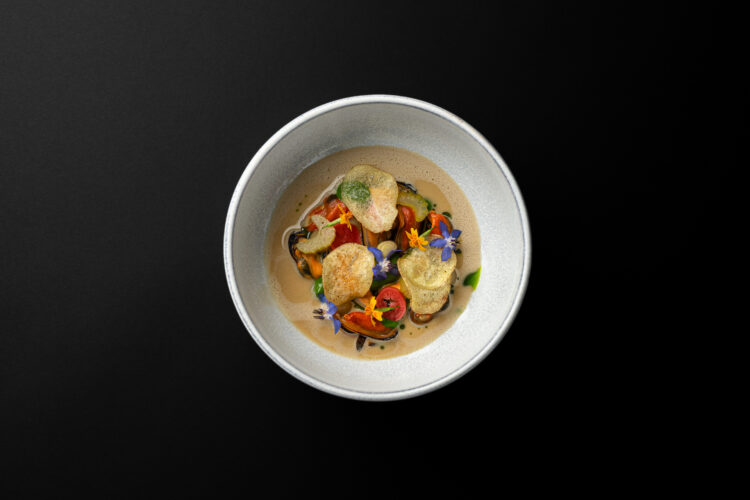
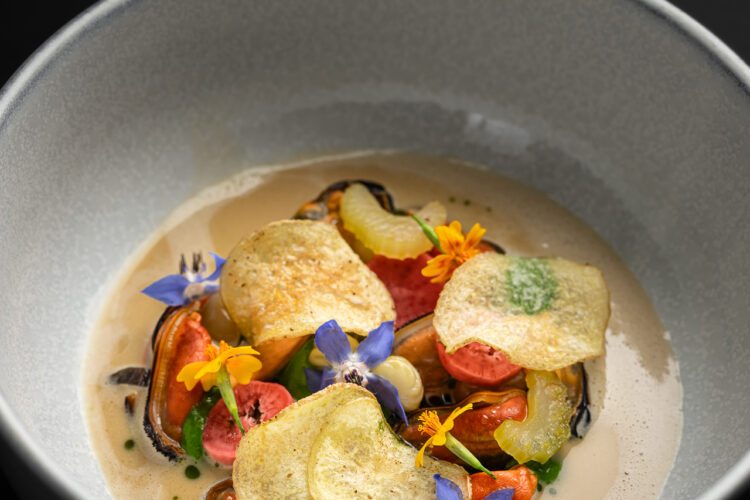
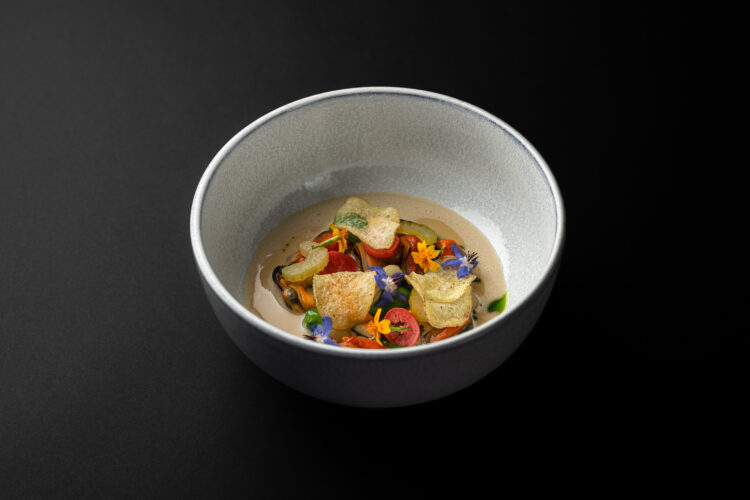
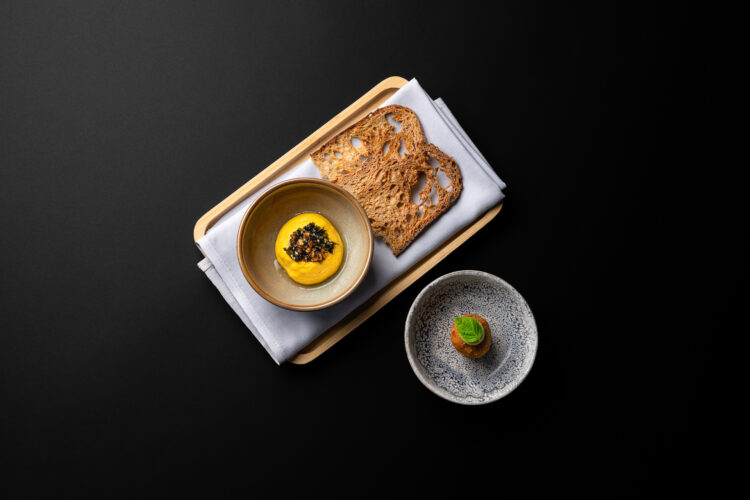
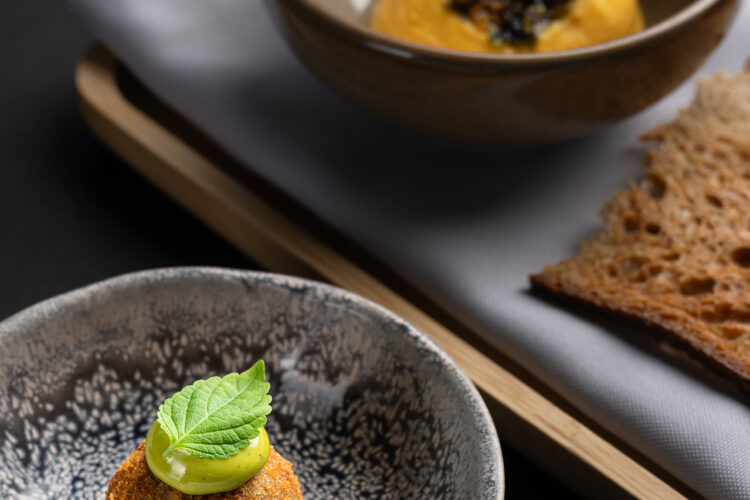
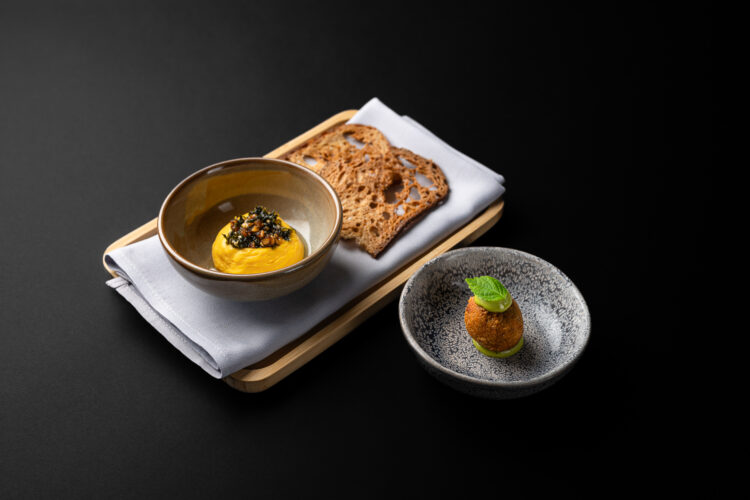
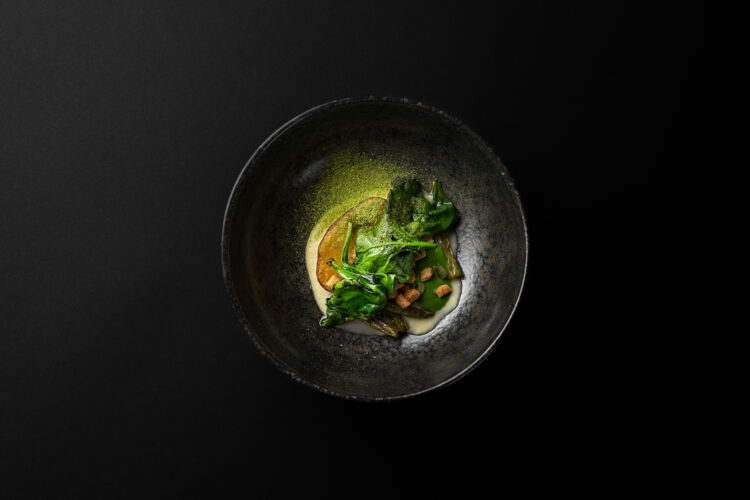
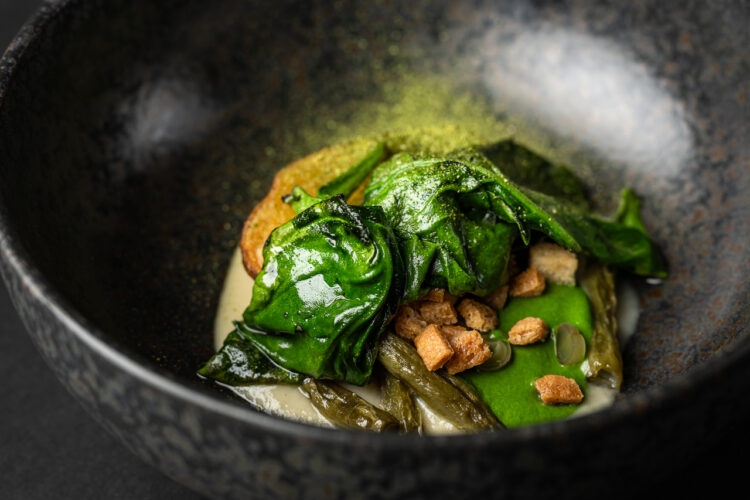
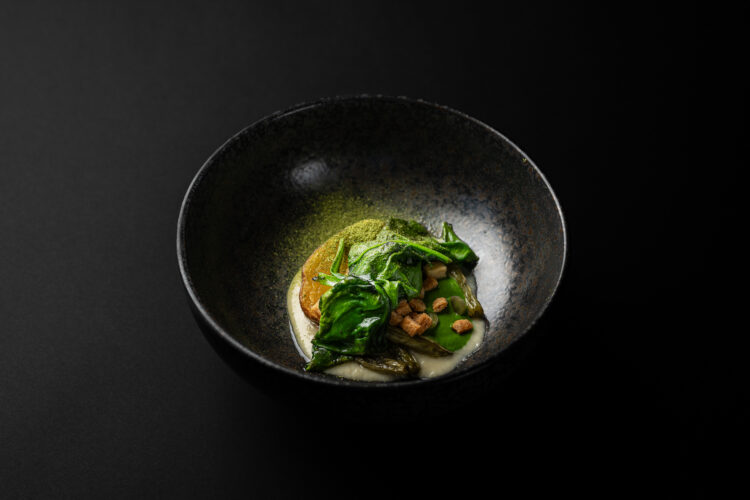
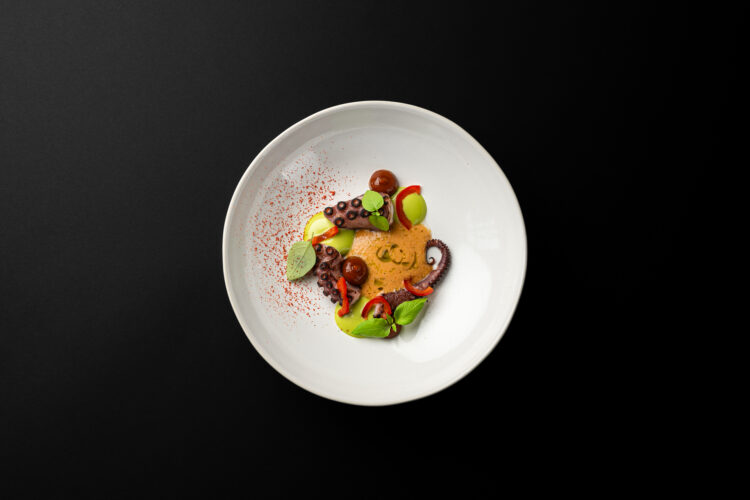
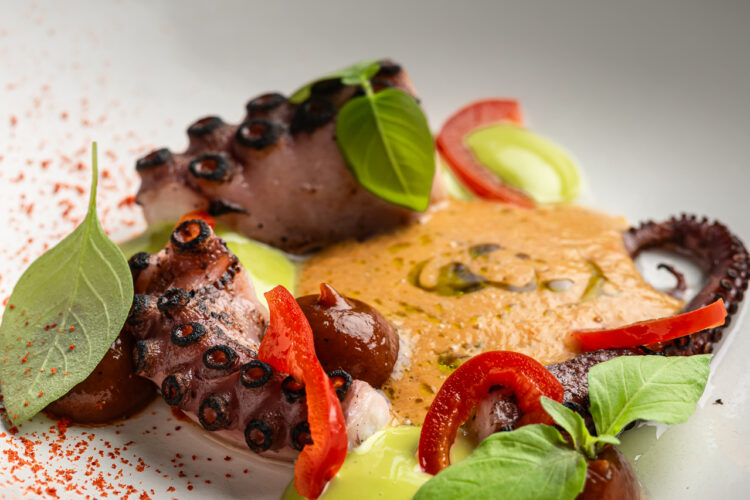
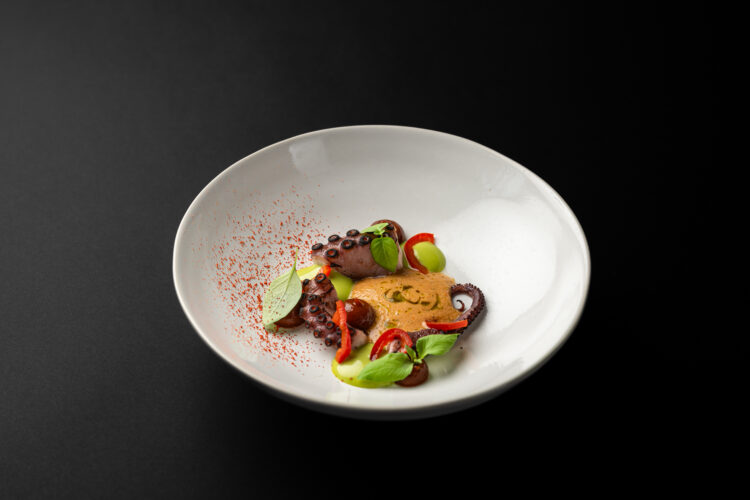
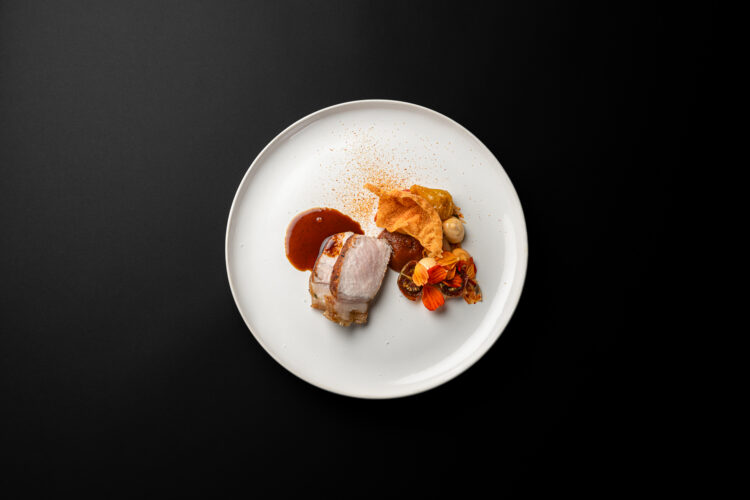
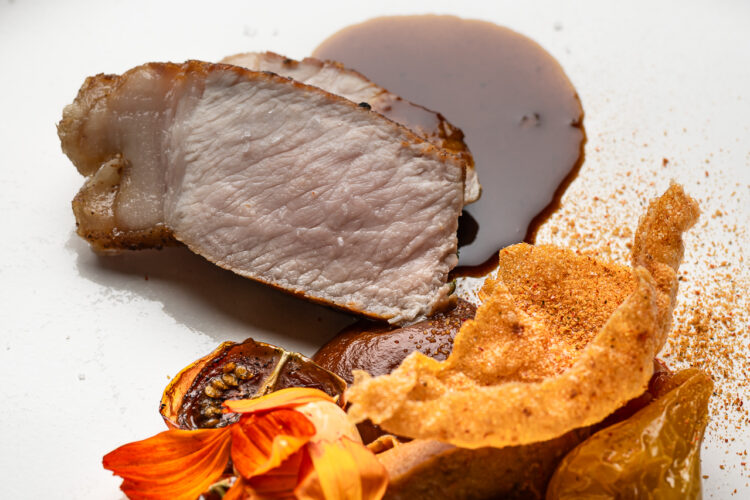
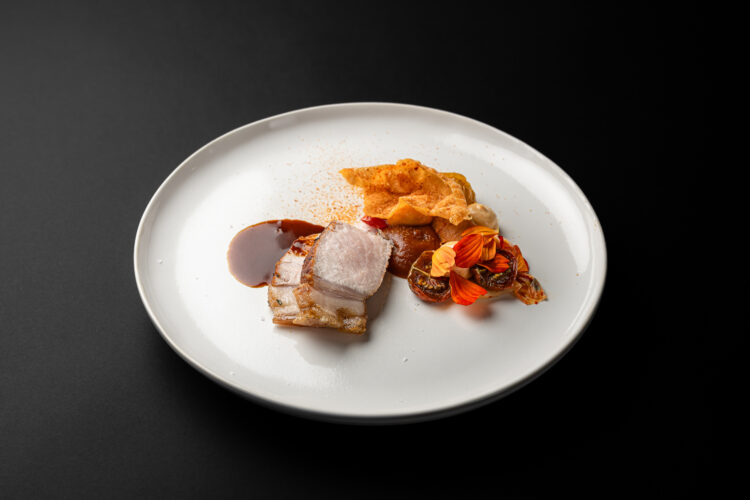
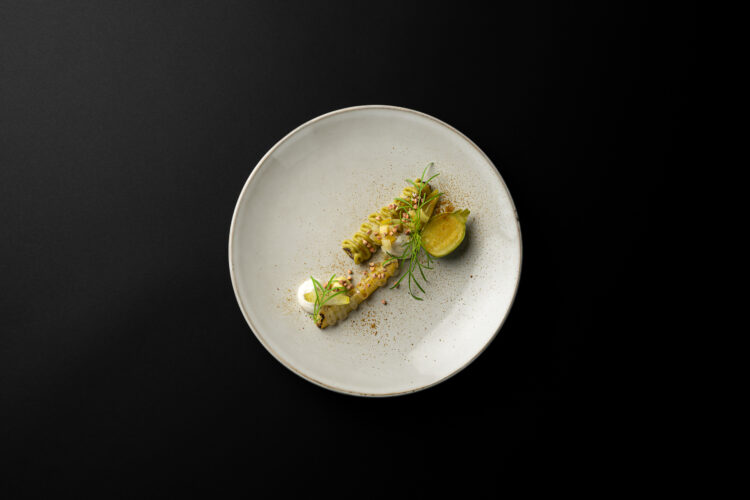
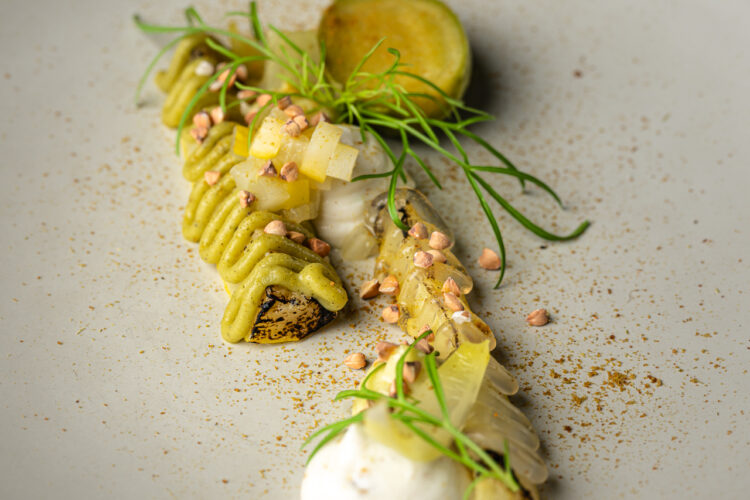
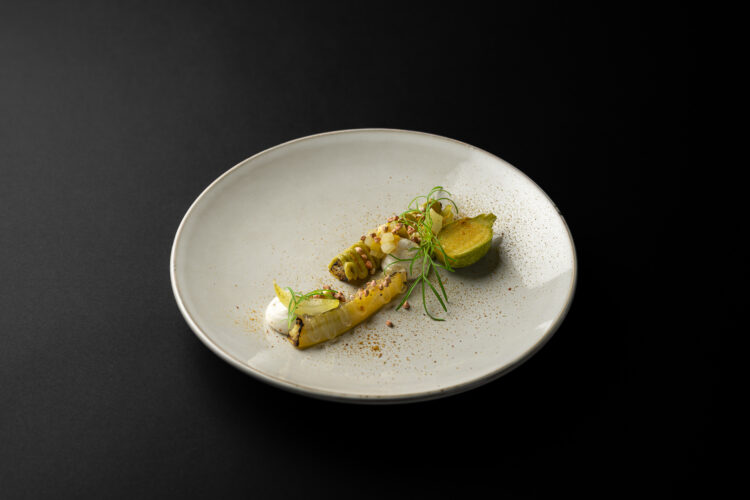
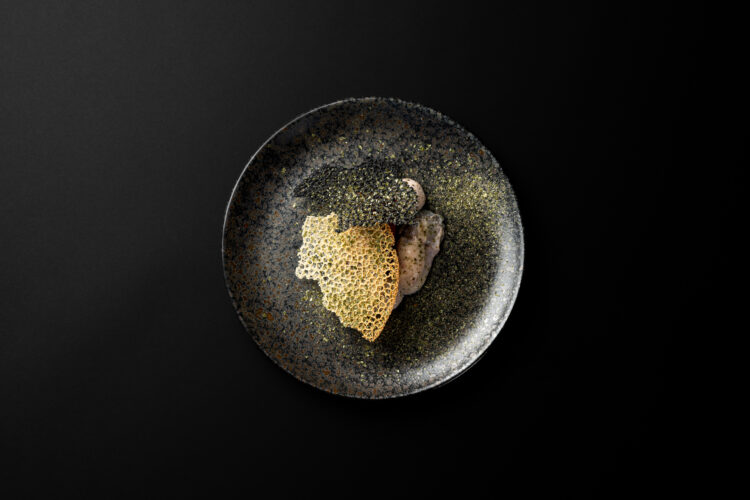
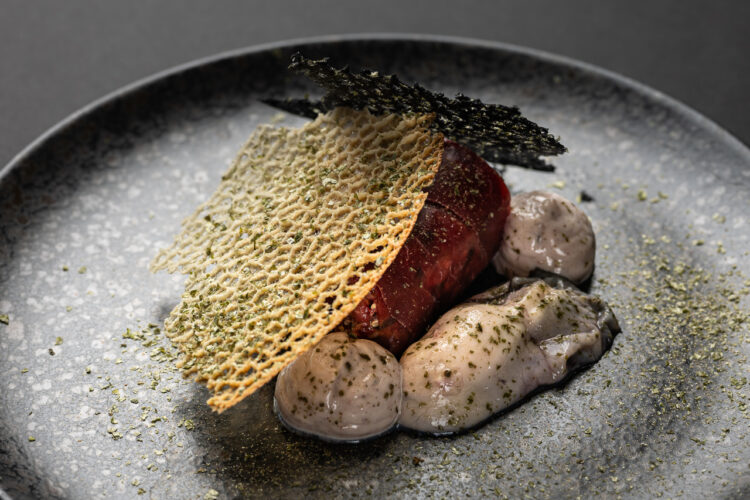
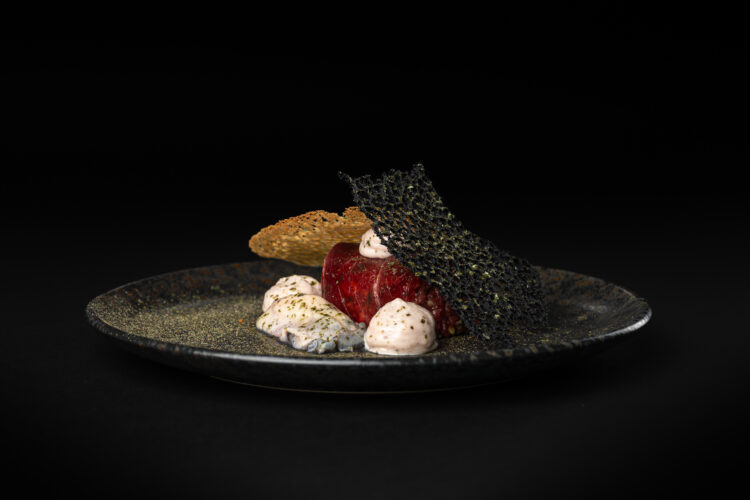
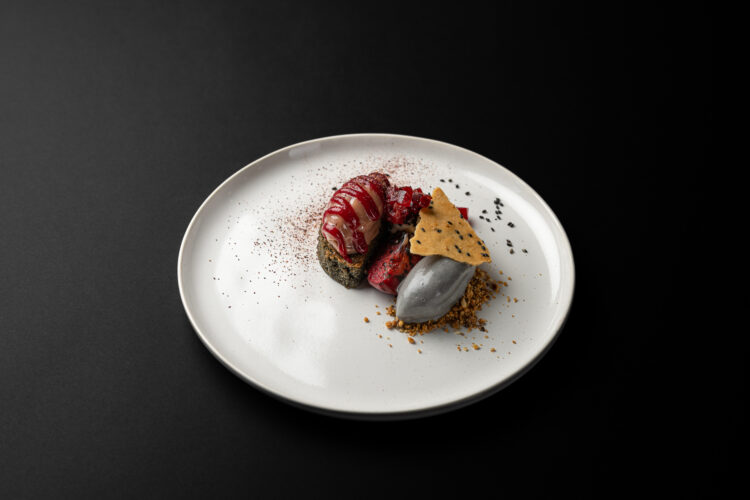
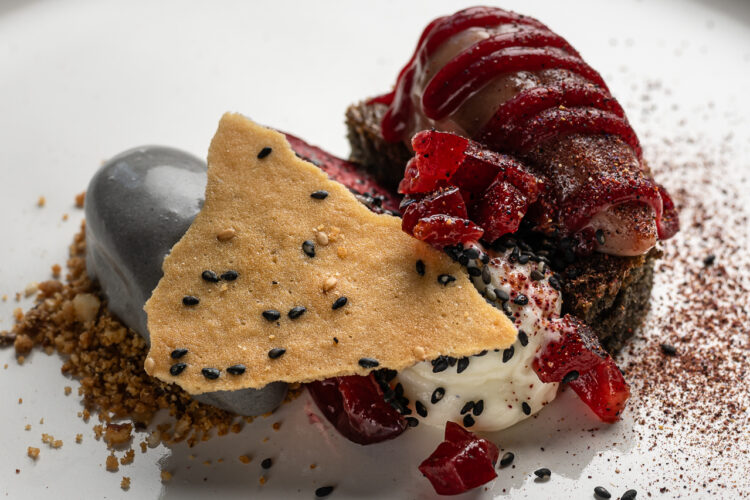
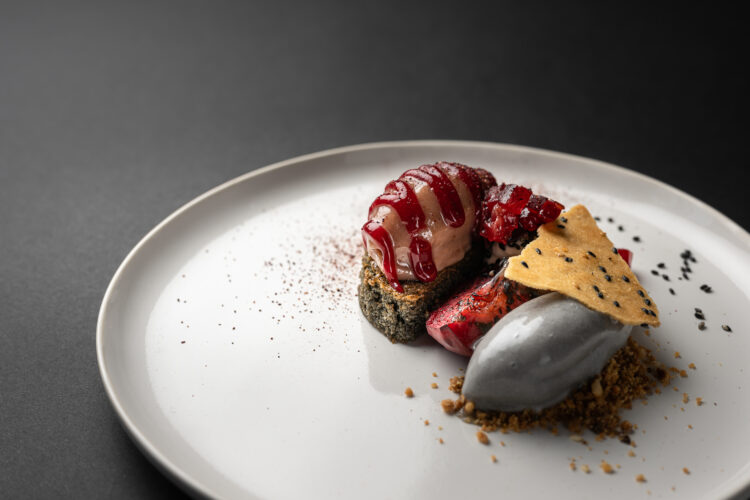
At the helm, Olivier De Vriendt cooks as he breathes — with sincerity, instinct and measure. A passionate chef with a generous heart, he crafts a cuisine rooted in terroir yet open to the world, driven by the produce of local farmers, fishermen and artisans. His cooking listens to the seasons, celebrates the earth and reveals its depth. Perfect cooking, precise seasoning, and herbs that speak in harmony rather than decoration — every plate becomes a conversation between chef and nature.
True to his spirit of exploration, Olivier pairs his dishes with carefully chosen beers, wines and kefirs, each marked by freedom and individuality. With every service, the pairing becomes a dialogue — between liquid and solid, fire and freshness, memory and invention.
In the dining room, the team continues that sense of harmony: discreet, generous and smiling, perfectly attuned to the philosophy of the house.
And when you leave, a little lighter at heart, you realise you haven’t simply eaten — you’ve lived a suspended moment, a complete experience where design, contemporary art and mindful cuisine meet and resonate.
Listed as a UNESCO World Heritage Site since 2012, Grand-Hornu is home to the MACS, a vibrant space dedicated to all forms of art. At the centre of this architectural jewel, Rizom stands as a living artwork — a place where the table becomes a language, and where one remembers that there are still places made to listen, taste and feel.
LD
eating likes
-
Löctave Restaurant
Discover this address
Chaussée de Namur, 51 à Profondeville
-
F-eat Restaurant
Discover this address
Rue d'Ombret, 7c à Engis.
-
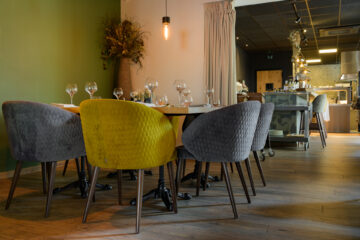
Le Petit Prince de Ligne
Discover this address
Rue de la Brasserie, 14b à Ligne (Ath).
-
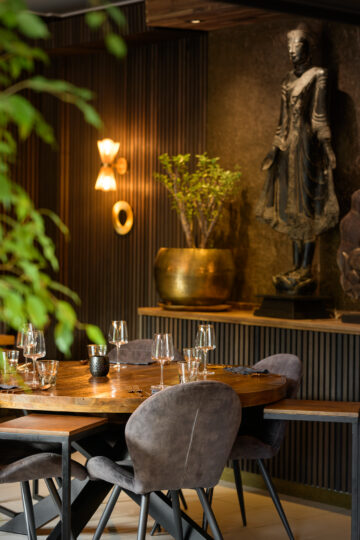
La Maison Thaï
Discover this address
Grand-Place, 2 à Ouffet
-
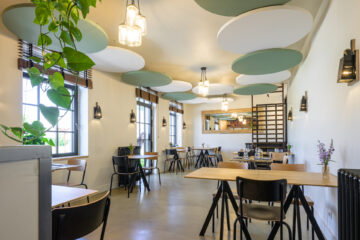
Émulsion Restaurant
Discover this address
Rue Ferdinand Francot, 8bis à Floriffoux (Floreffe).
-
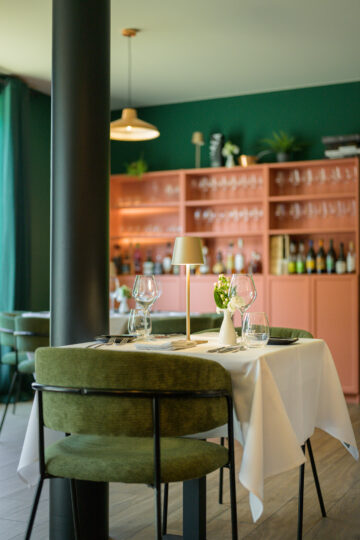
La Table de Jeanne
Discover this address
Rue de la Station, 8 à Silly.
-
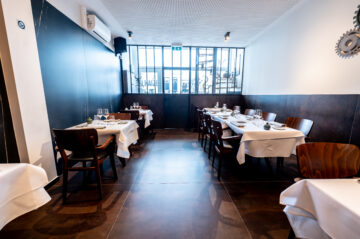
Osmose
Discover this address
Rue de Nimy, 116 à Mons.
-
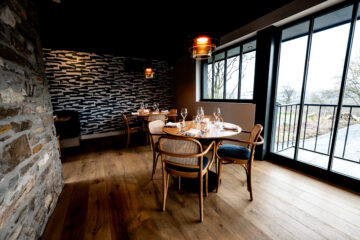
Le Saint-Germain
Discover this address
Route de Wiltz, 32 à Bastogne
-
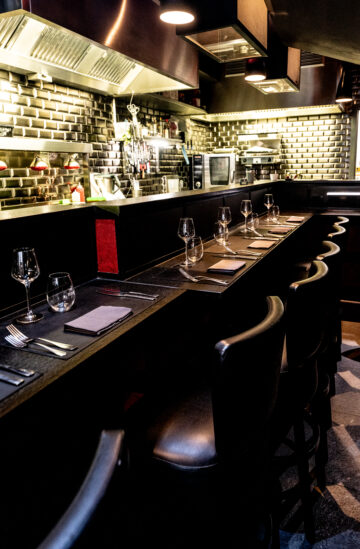
L’Instant C
Discover this address
Rue d'Enghien, 8 à Mons
-
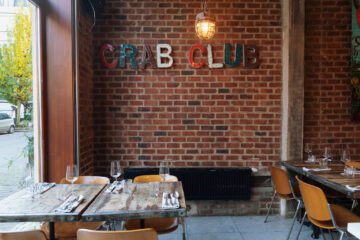
Crab Club
Discover this address
Chaussée de Waterloo, 7 à Bruxelles (Saint-Gilles).
-
Au Gré des Saisons
Discover this address
Rue d'Achet, 70 à Achet