
Frasca
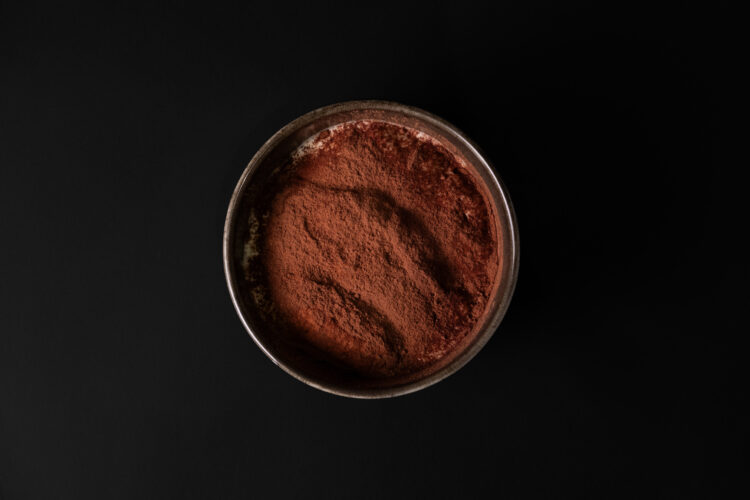
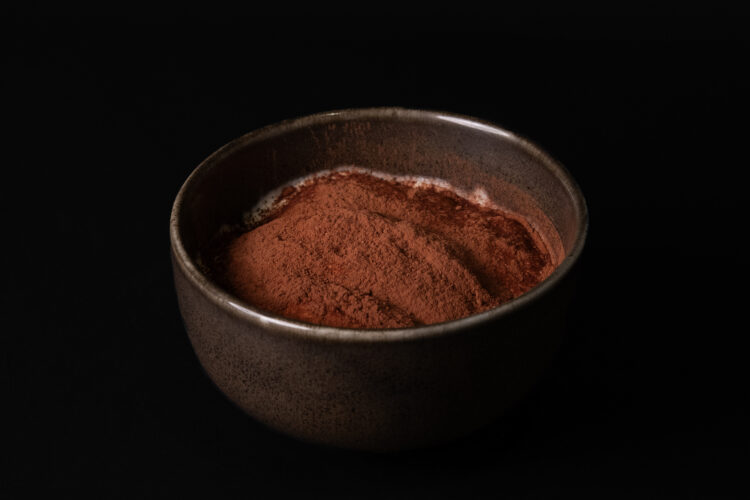
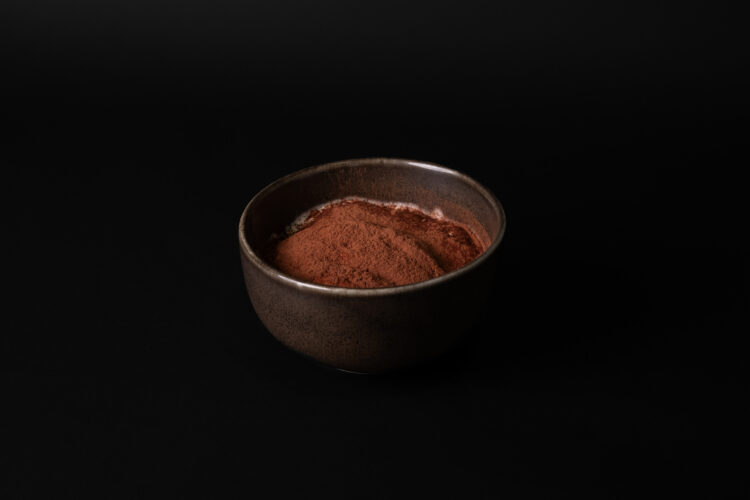
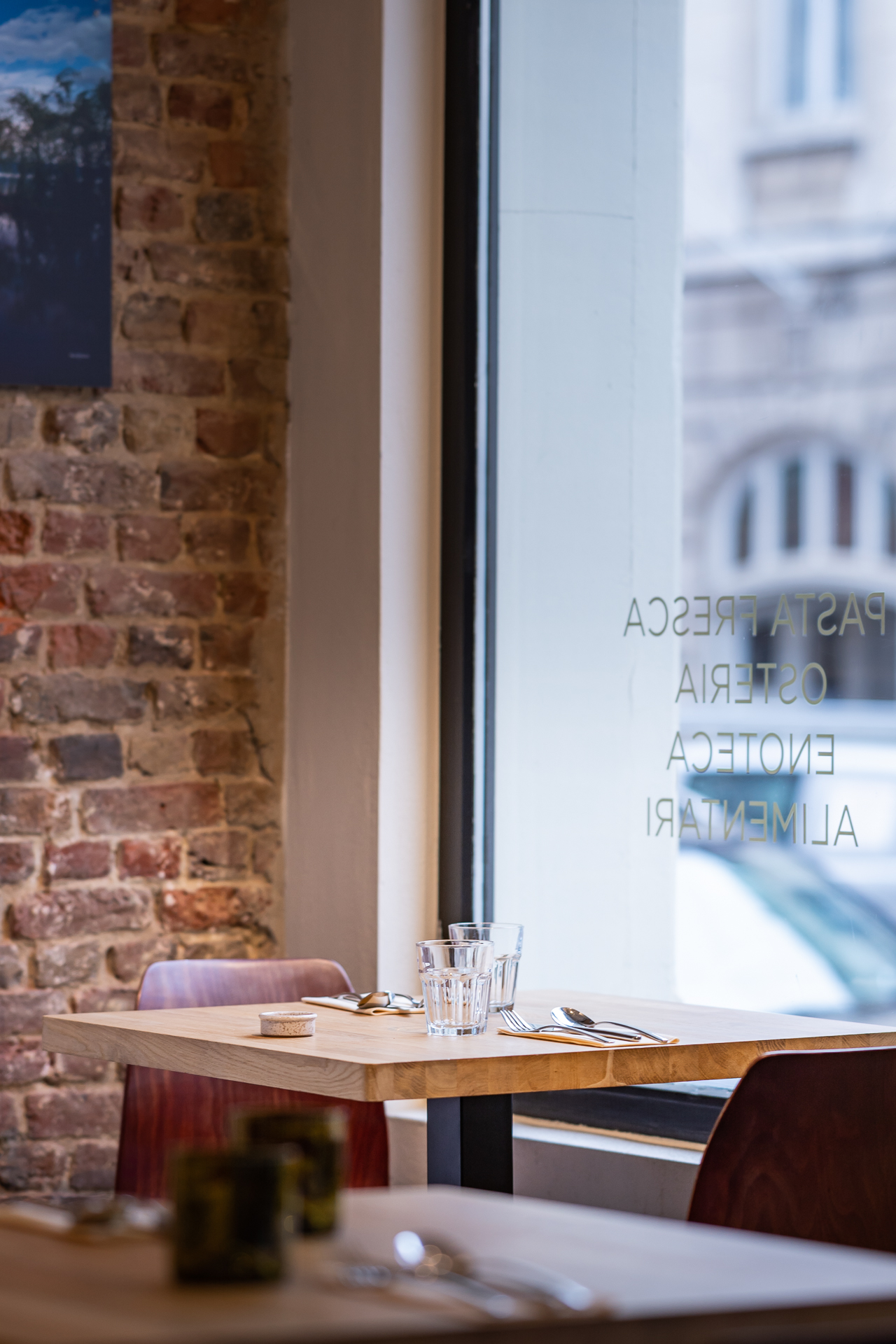
Some places cannot be improvised. Frasca is exactly that kind of address. On Rue de Florence, nothing immediately catches the eye. And yet… something vibrates behind those windows. A subtle tension, like a quiet riff you notice before knowing where it comes from. A promise of Italy. Not the cliché version. The other one.
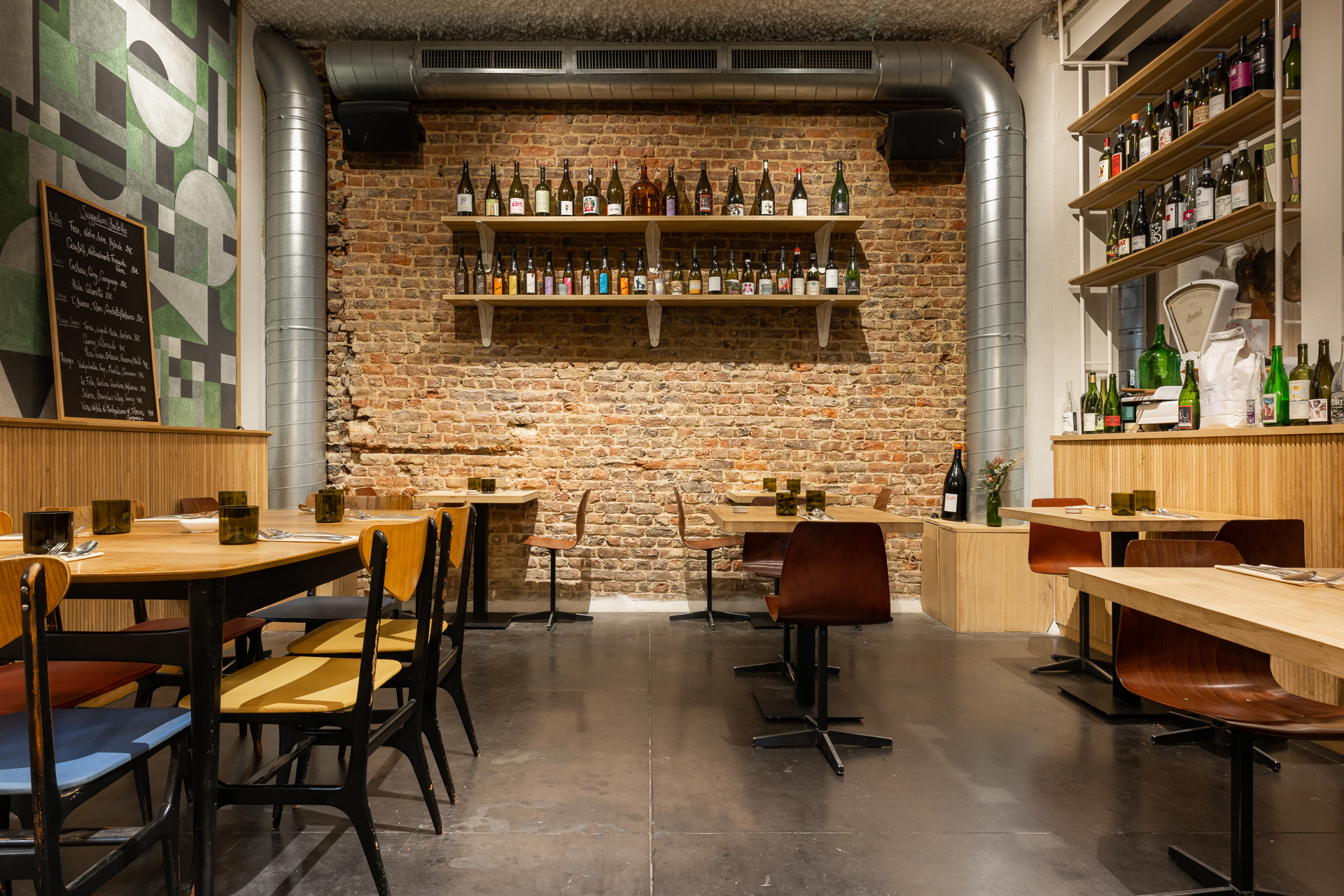
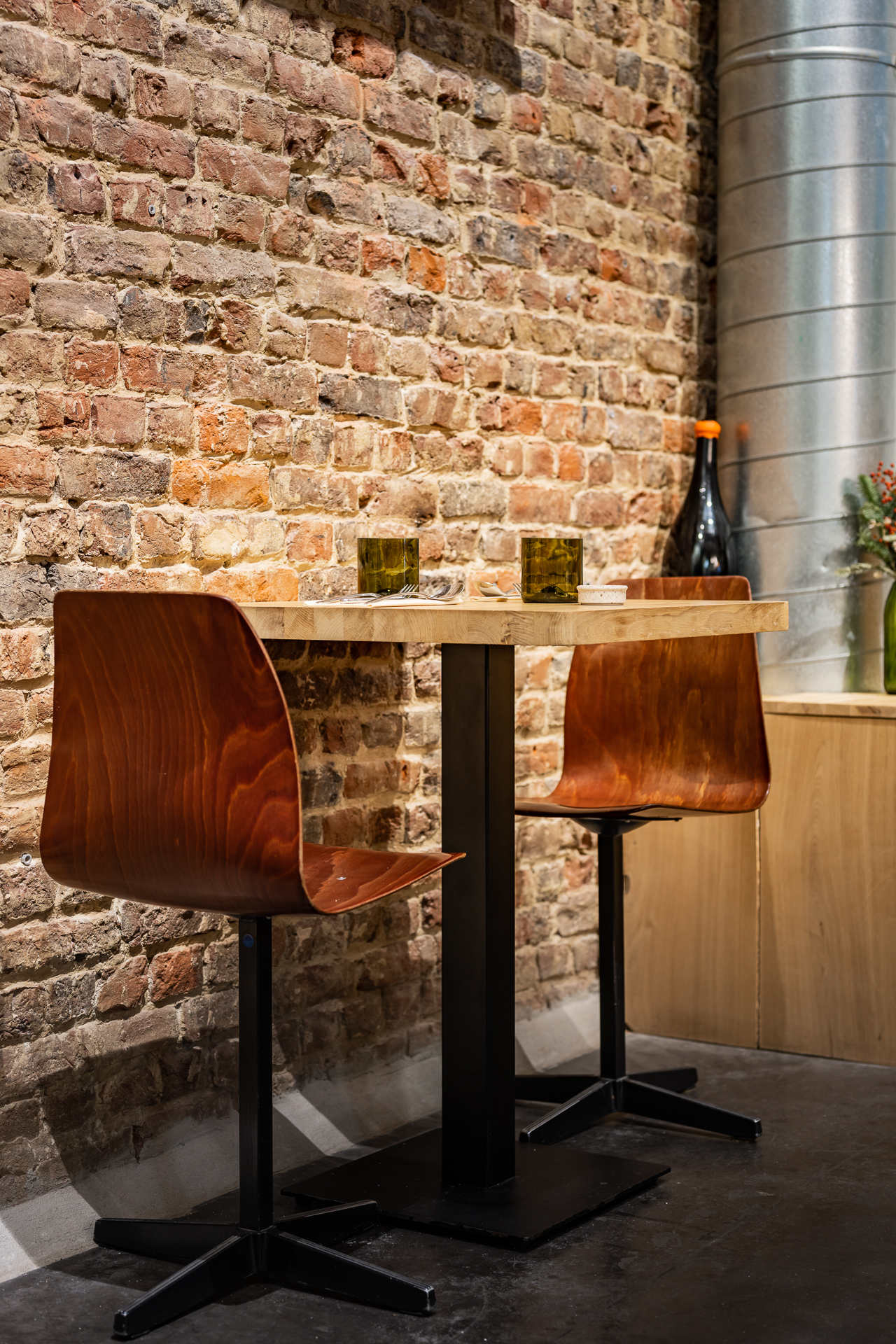
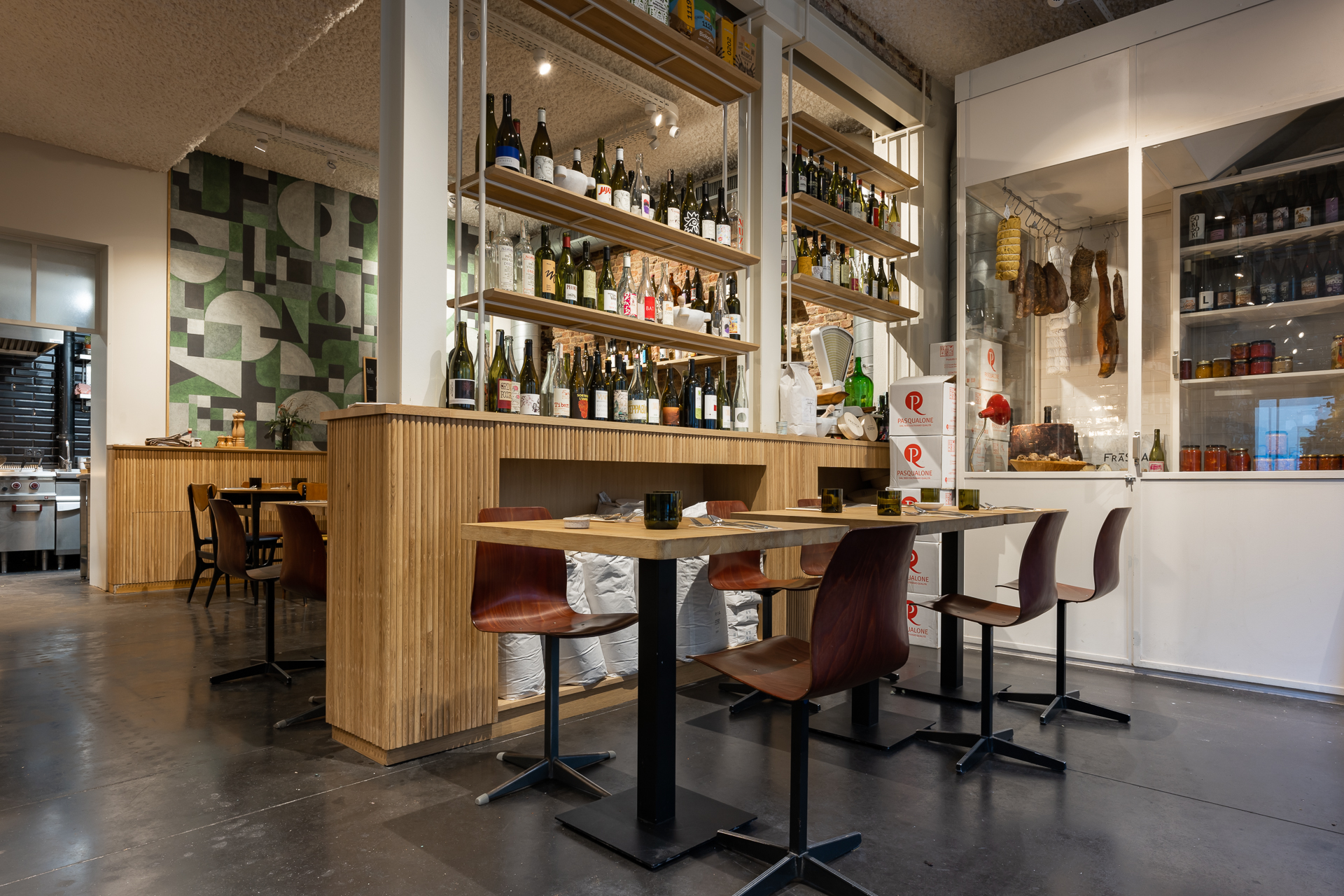
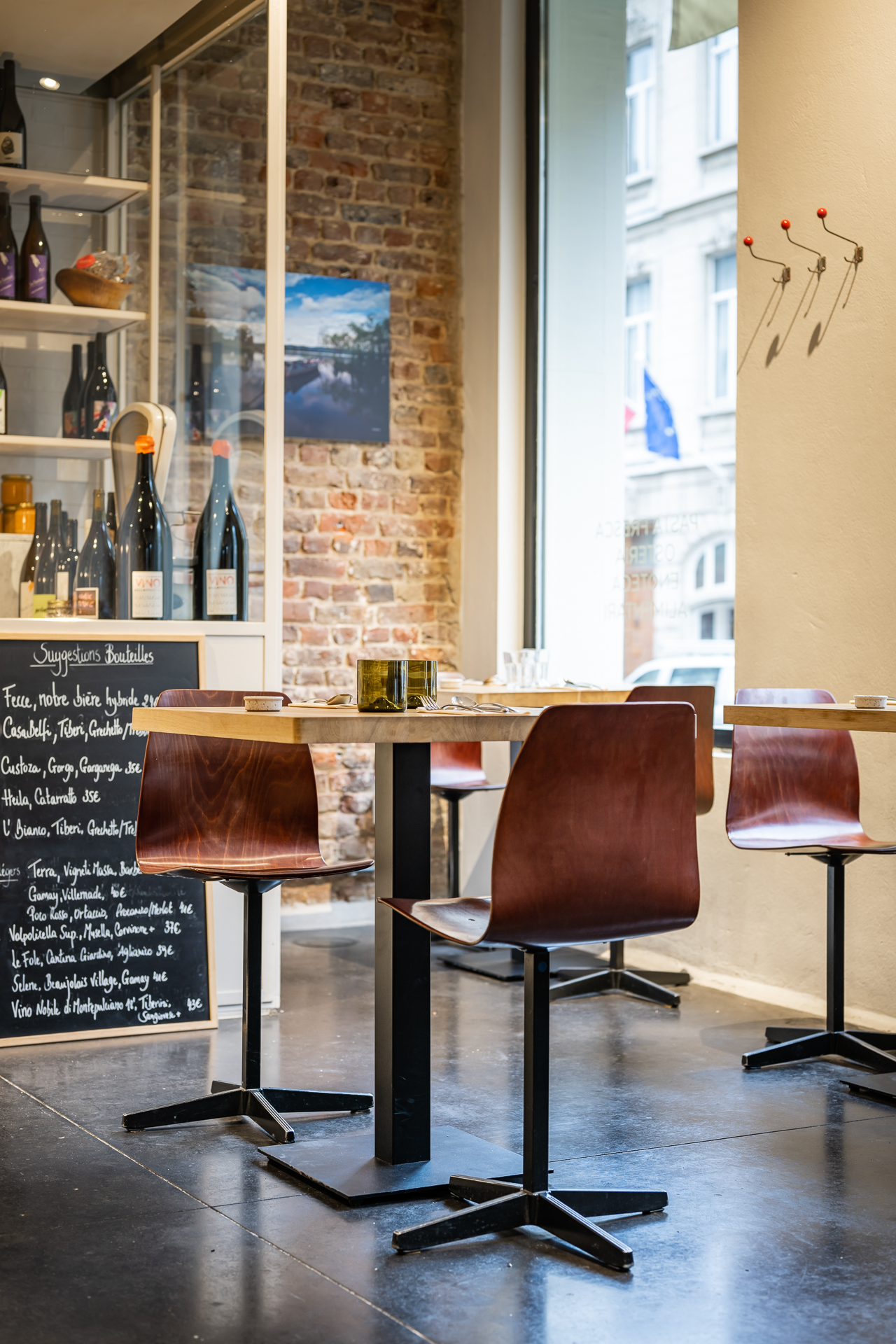
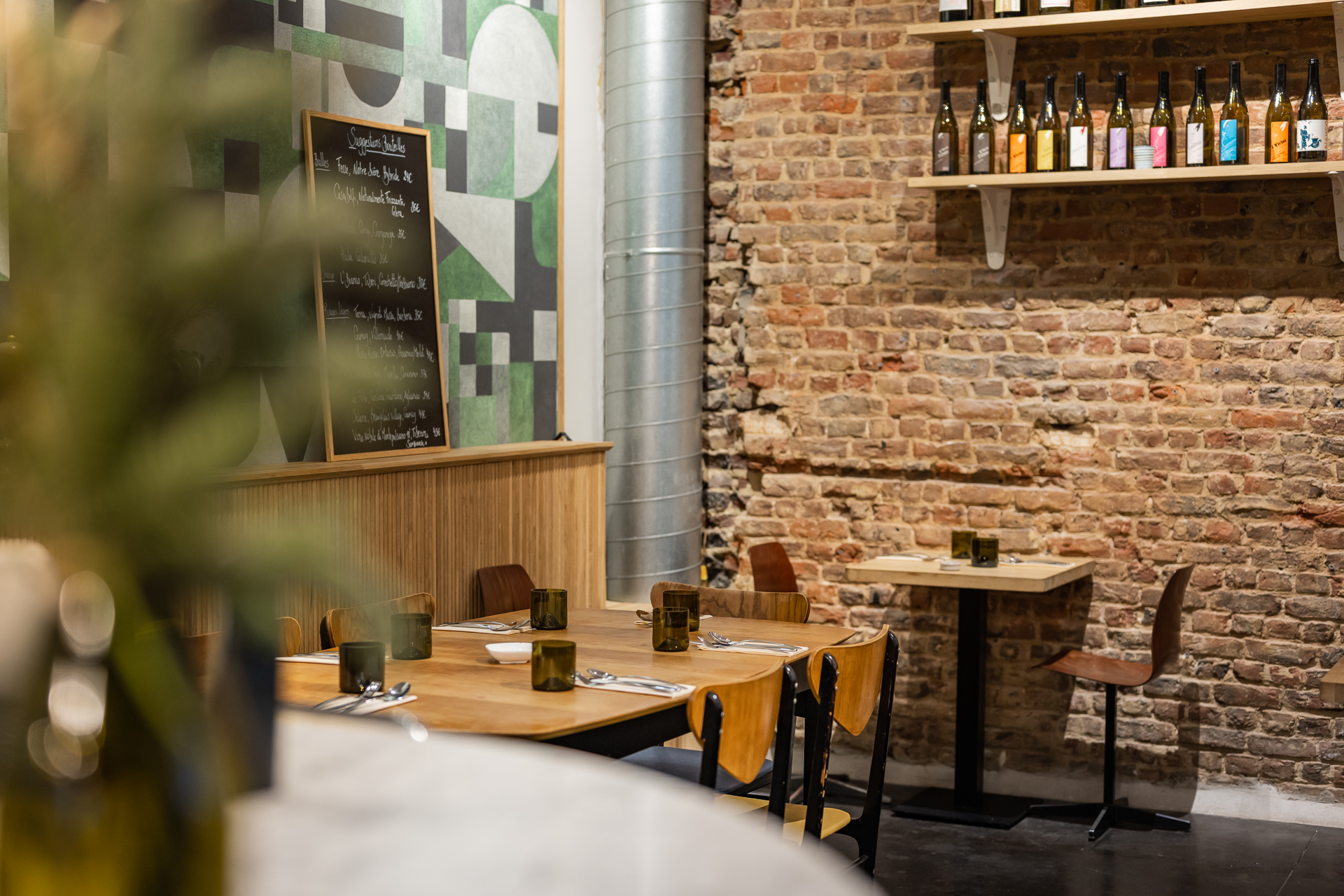
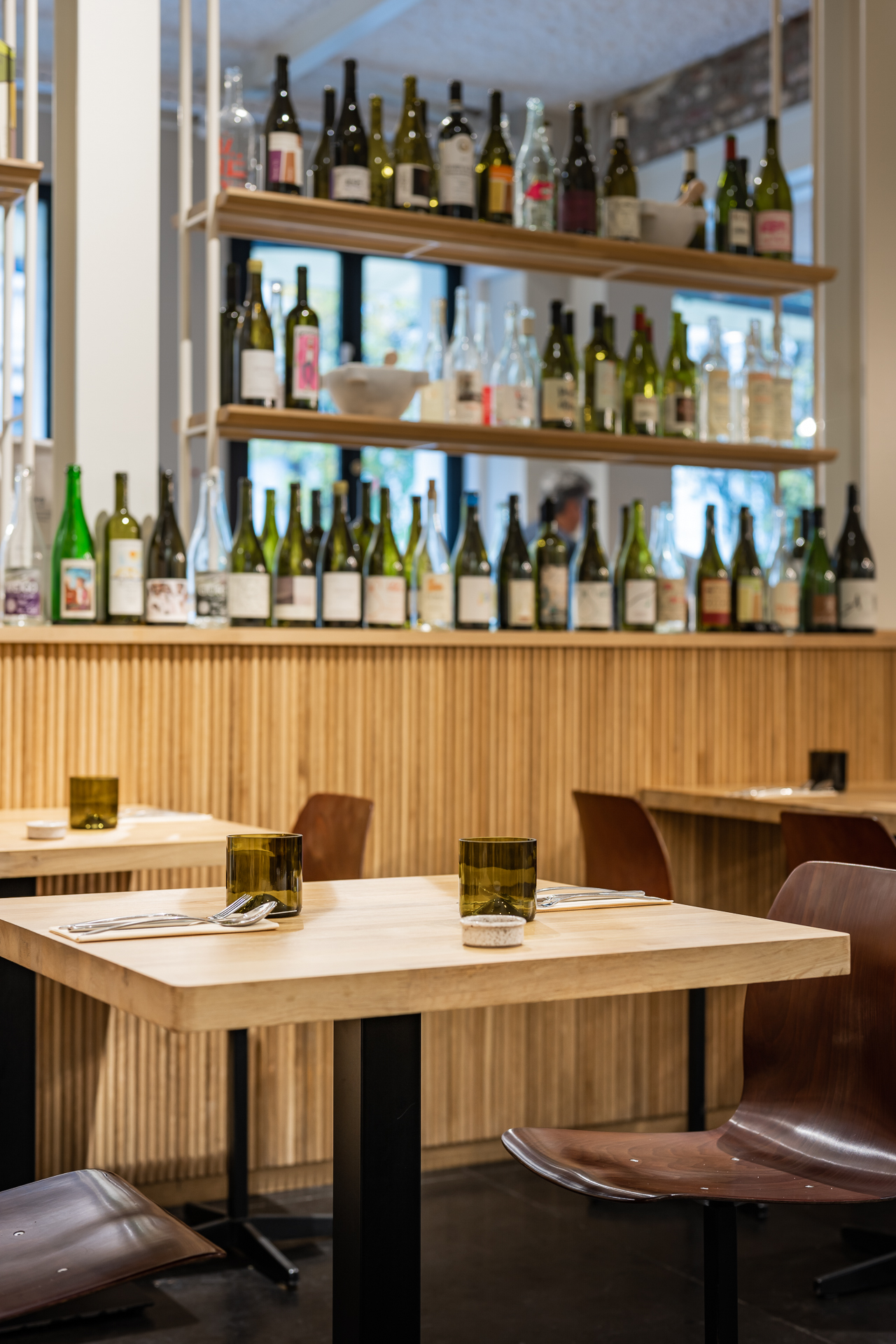
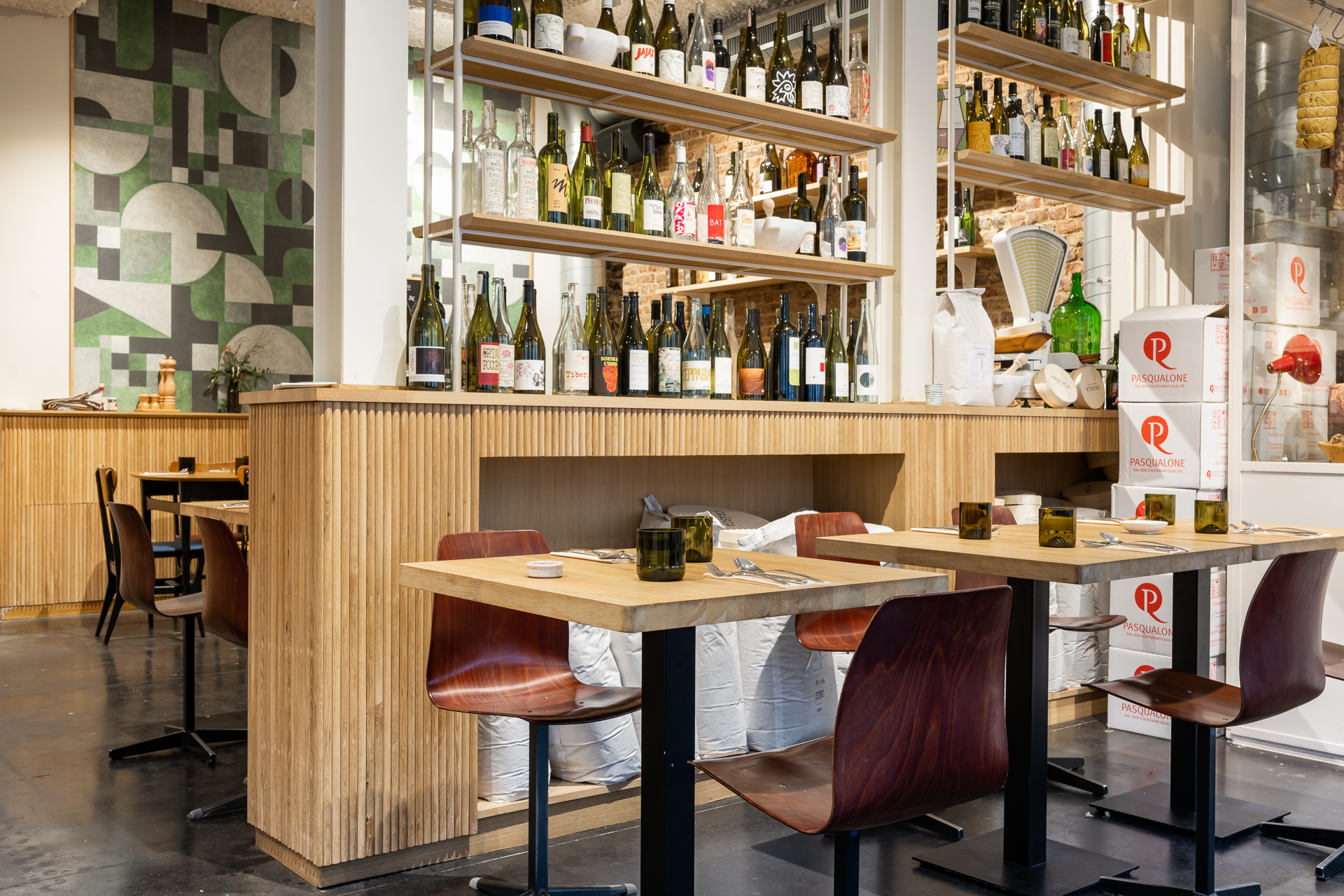
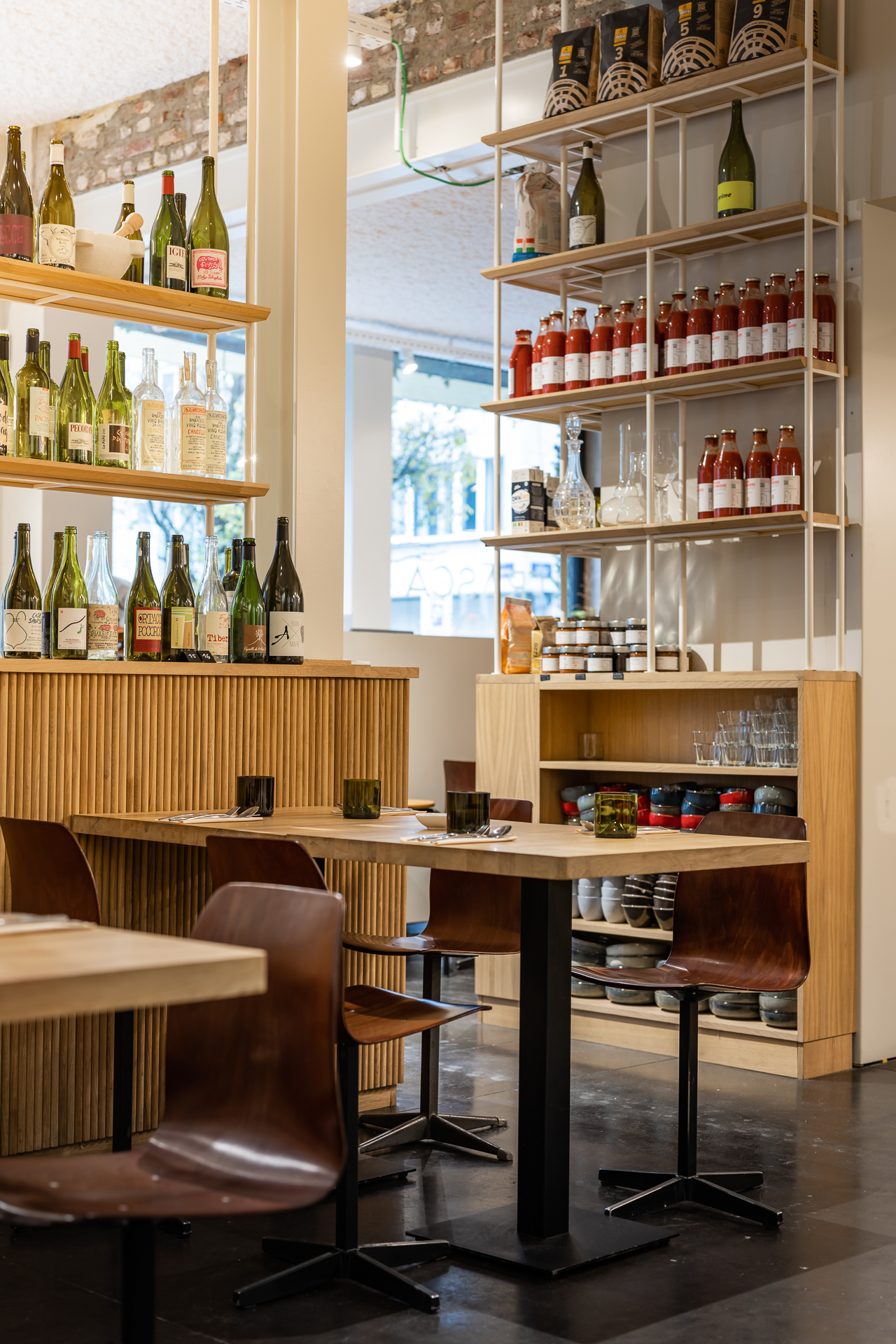
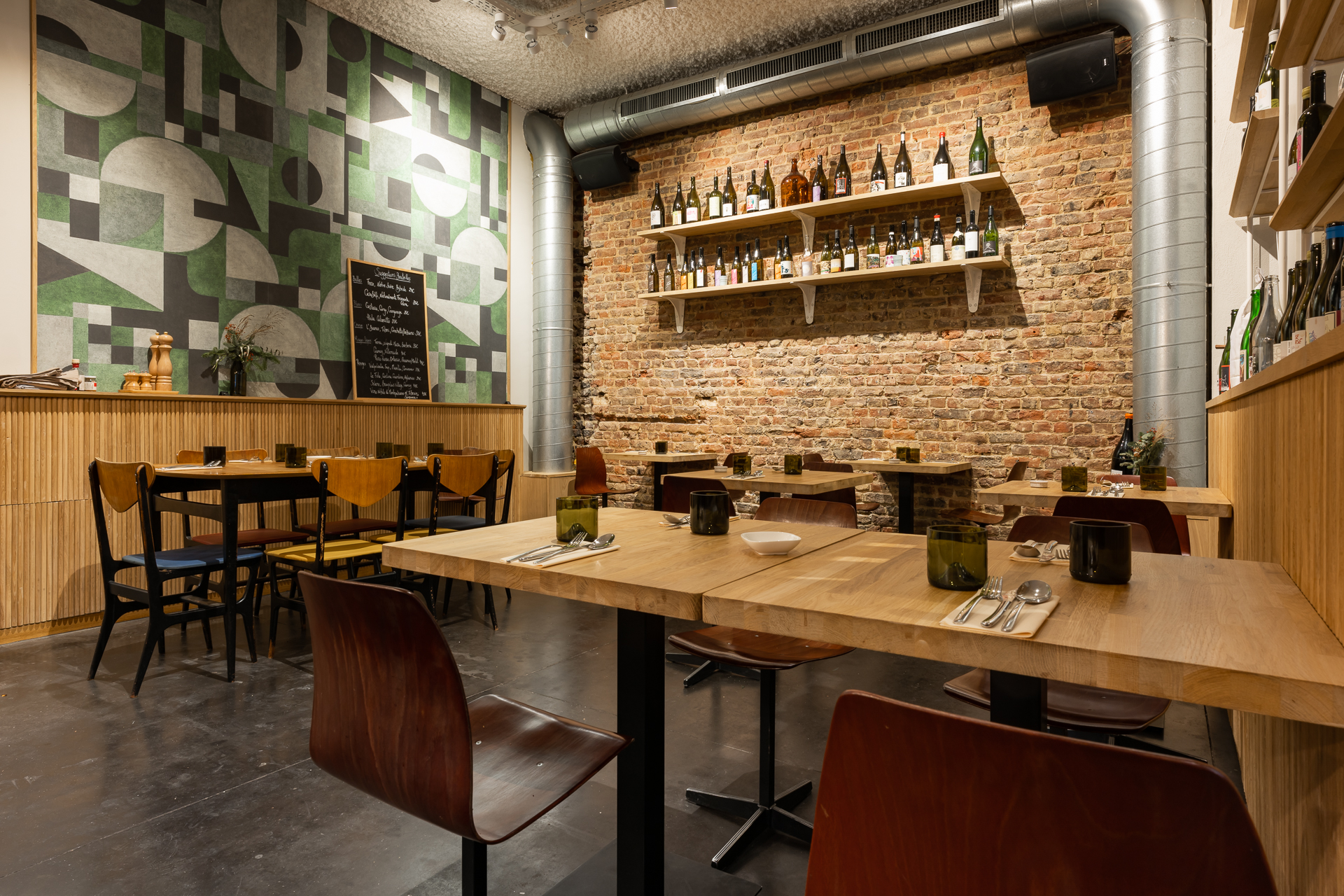
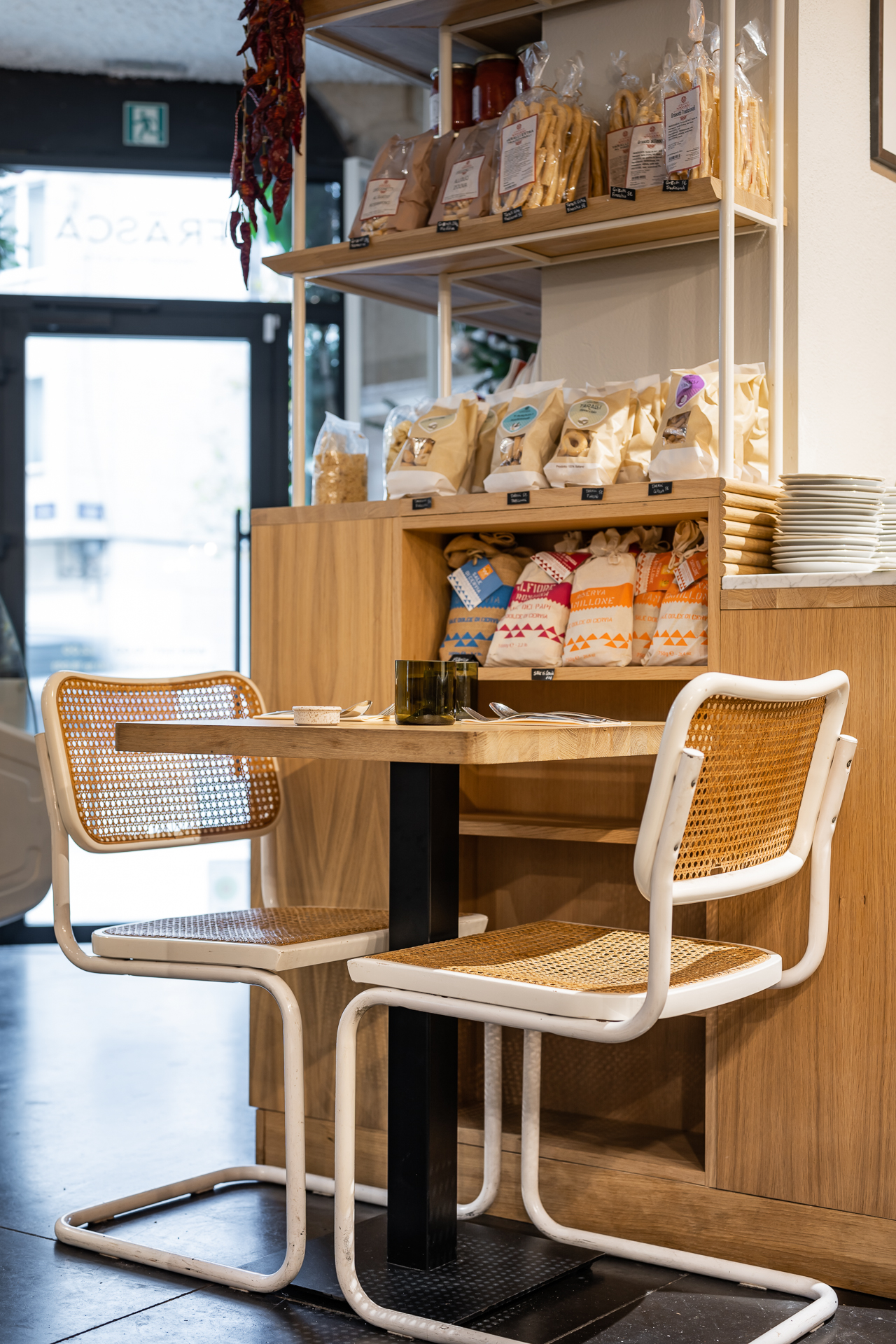
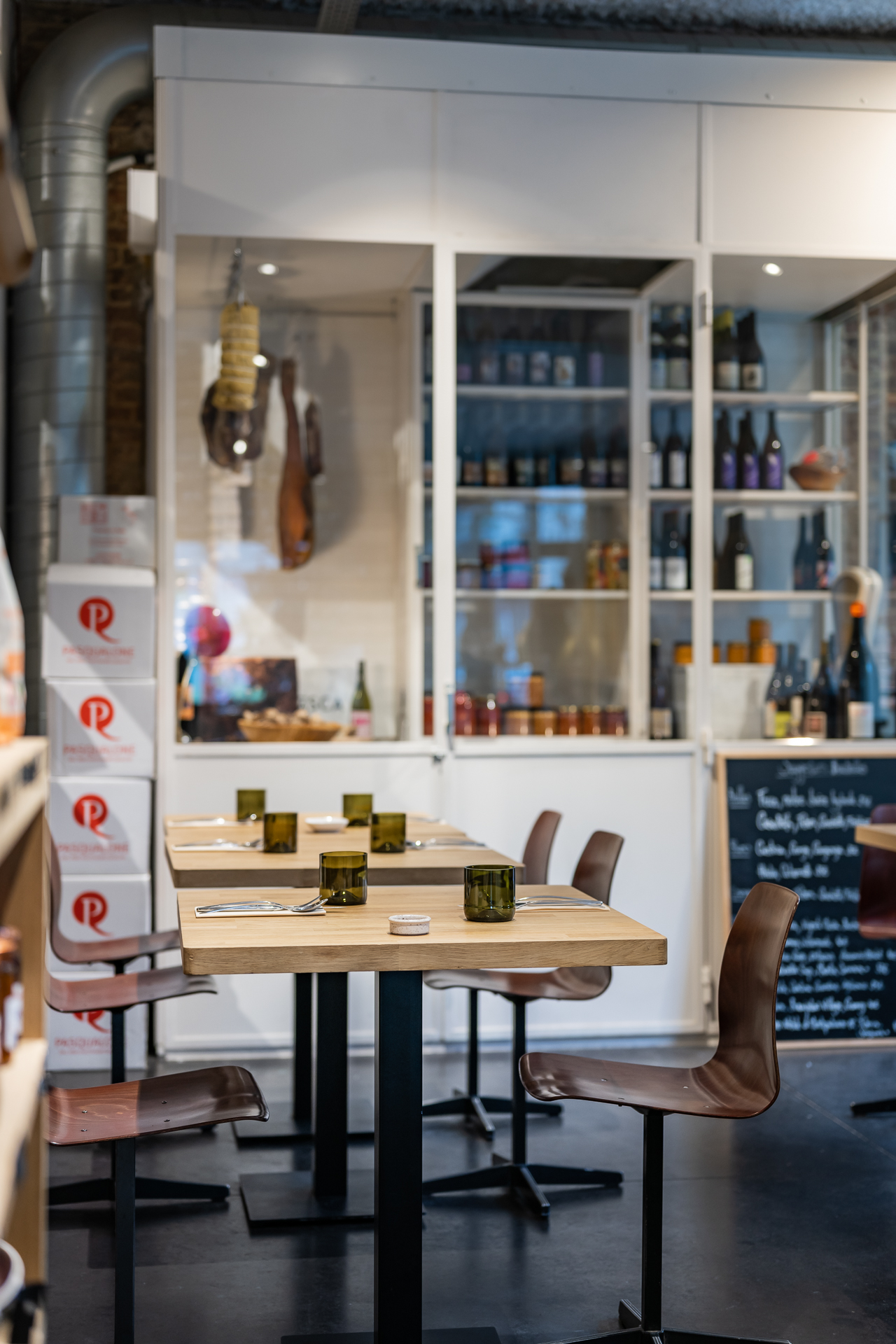
The door opens. The tone is instantly set. The place is sharp, precise, flawless. Soft light, clean lines, carefully chosen materials. Nothing spills over. Nothing performs. Here, they do not seduce. They assert.
At the back, the work happens. The dough, the real one. The kind that sticks to your fingers, resists, lives. Hands speak, flour rises in the air, gestures repeat themselves until they become instinct. No folklore. No unnecessary staging. Just work, rhythm and respect. Italy begins there, in the raw material itself.
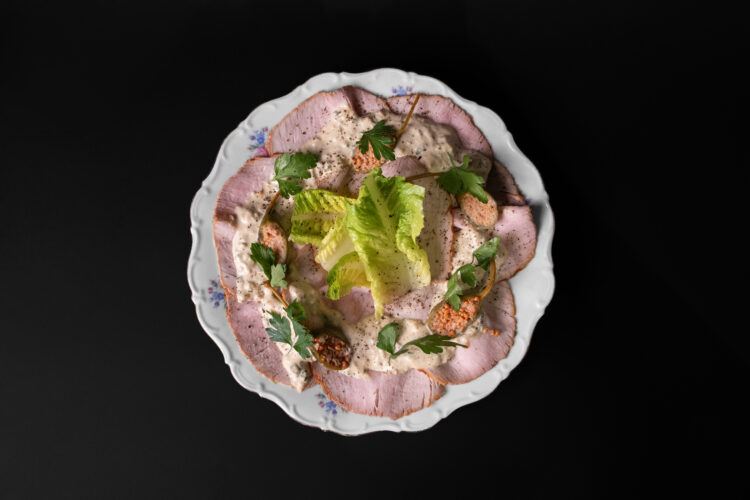
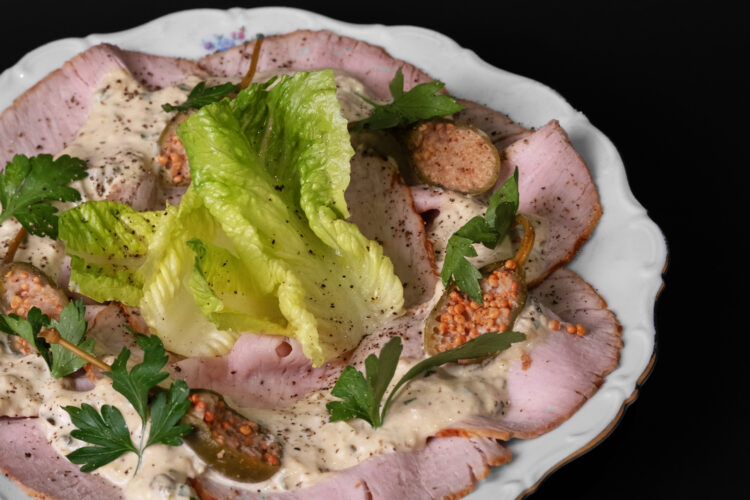
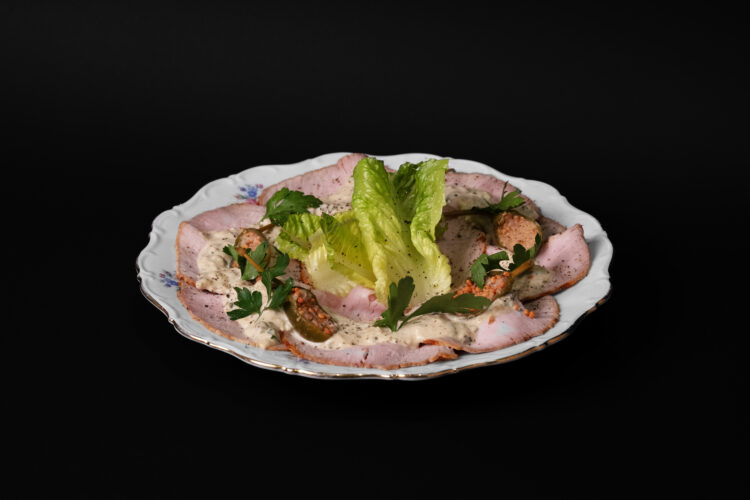
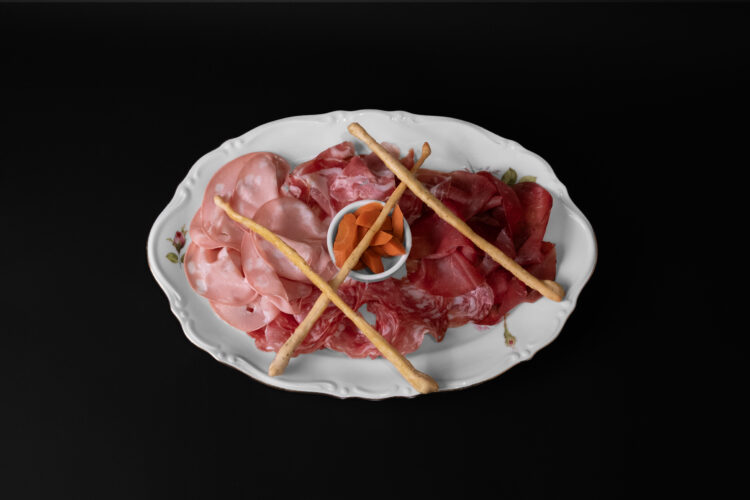
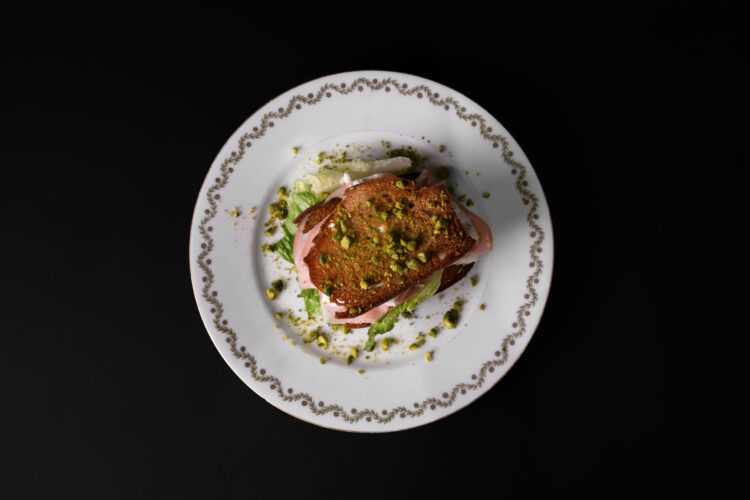
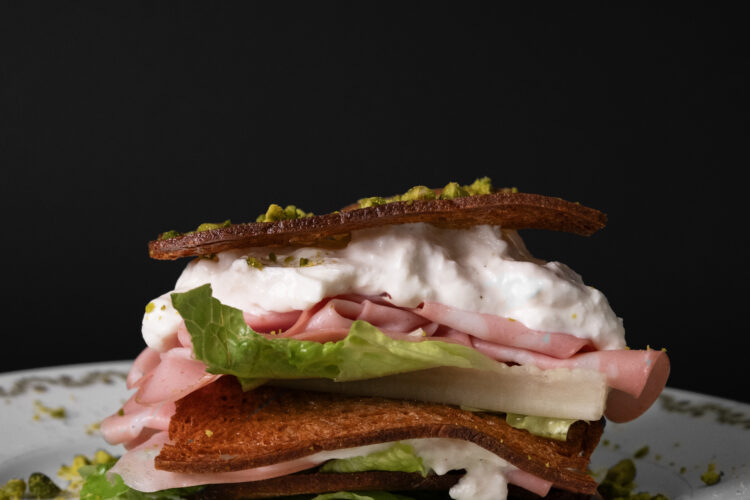
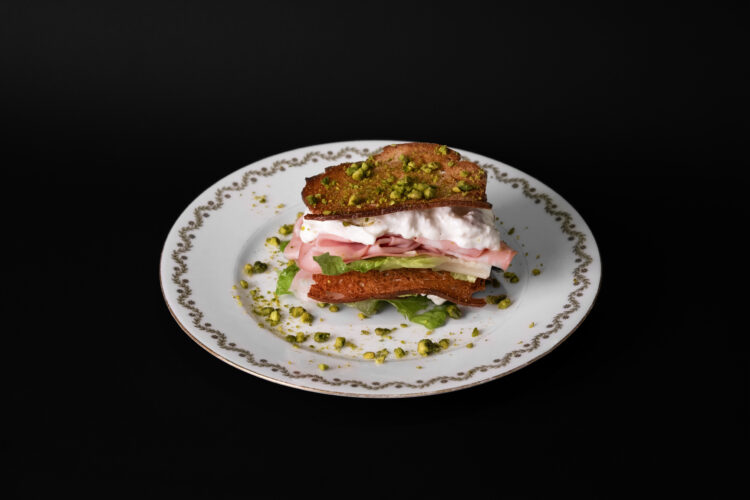
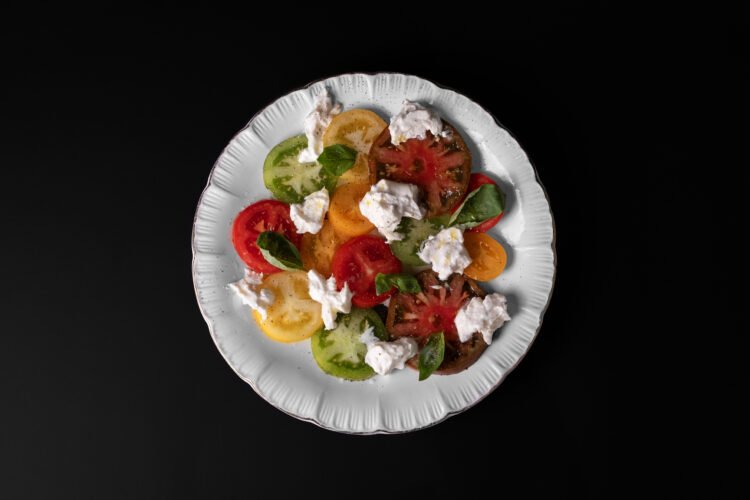
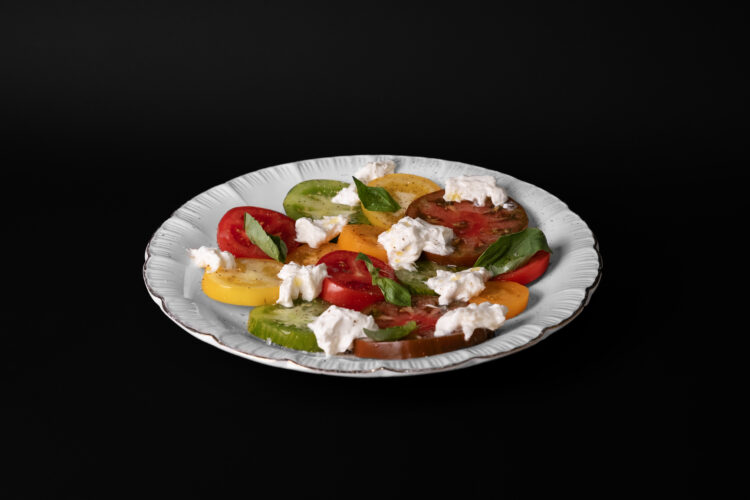
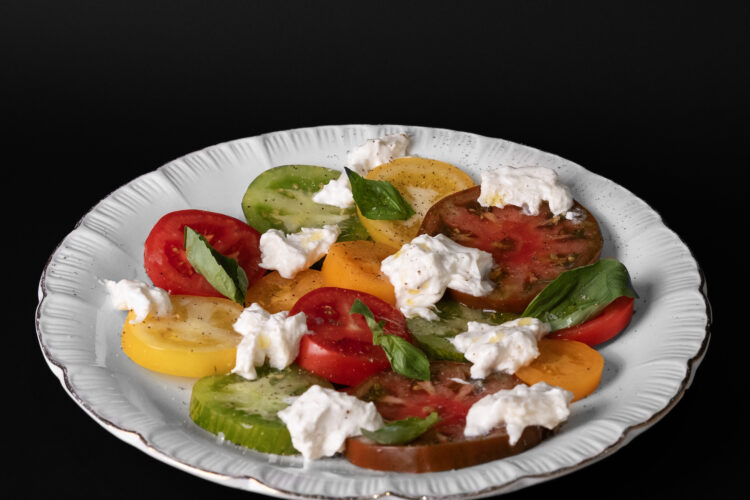
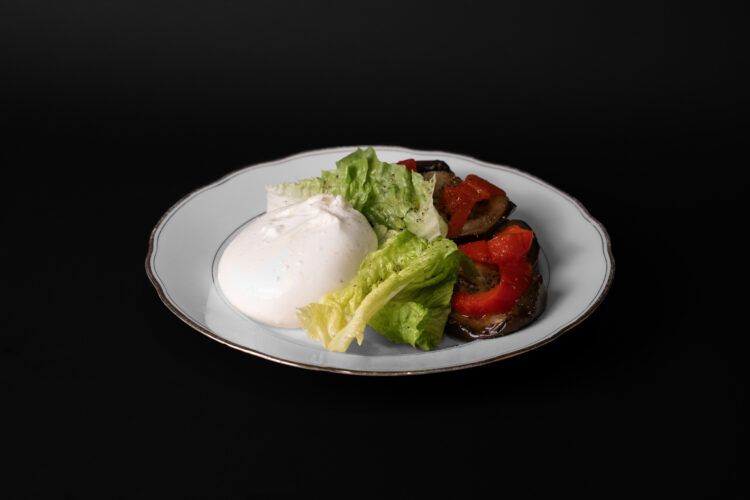
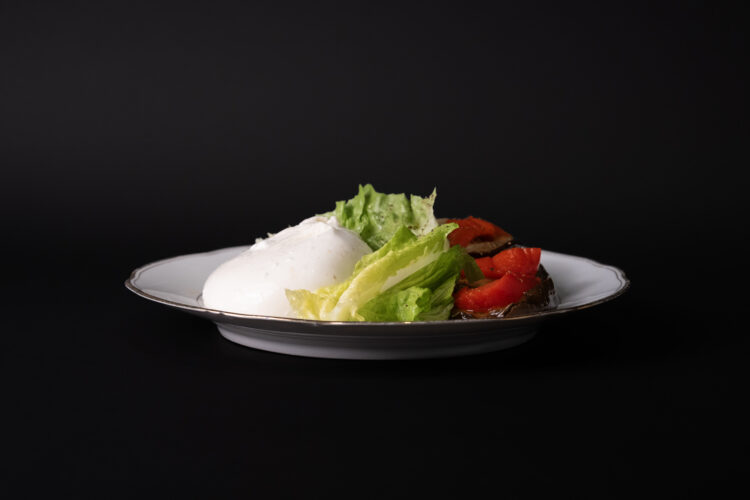
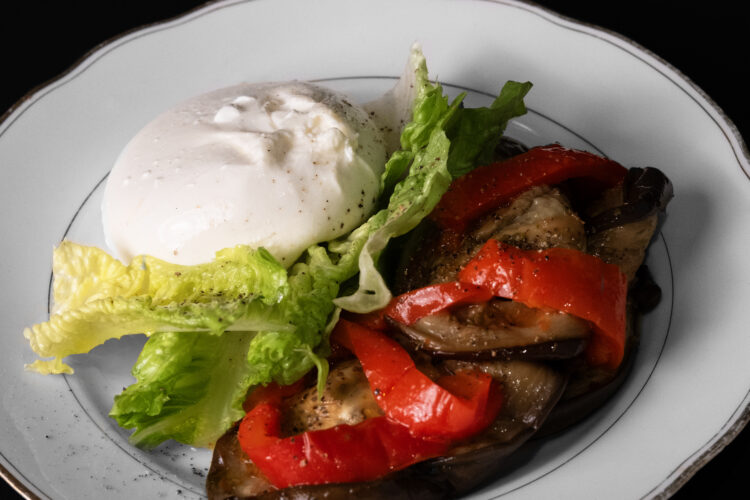
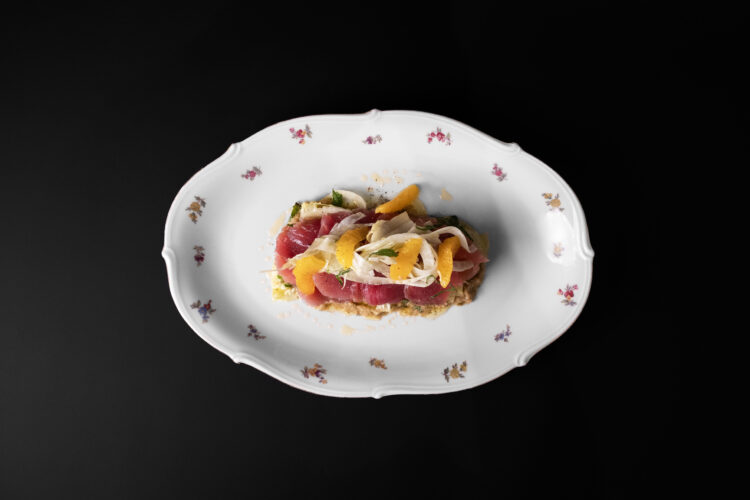
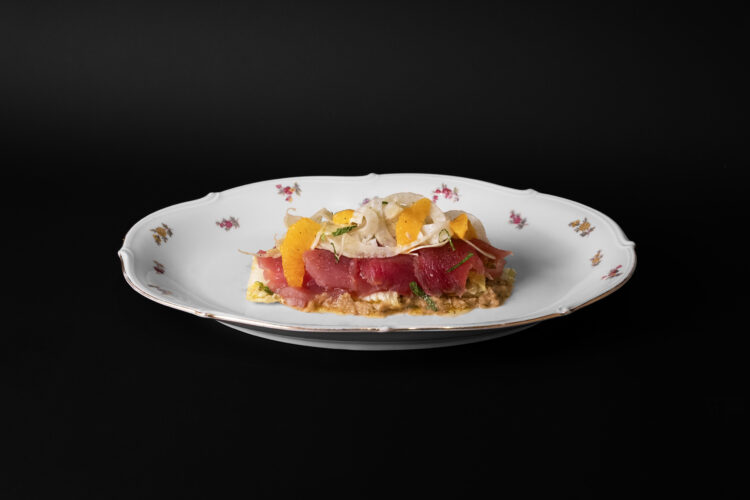
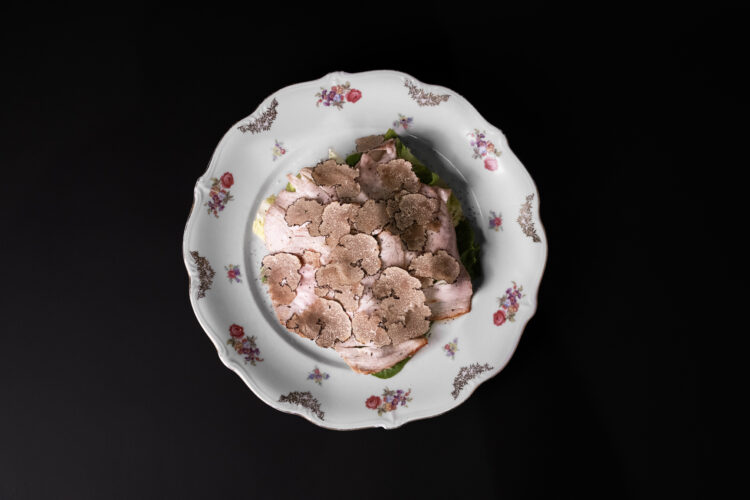
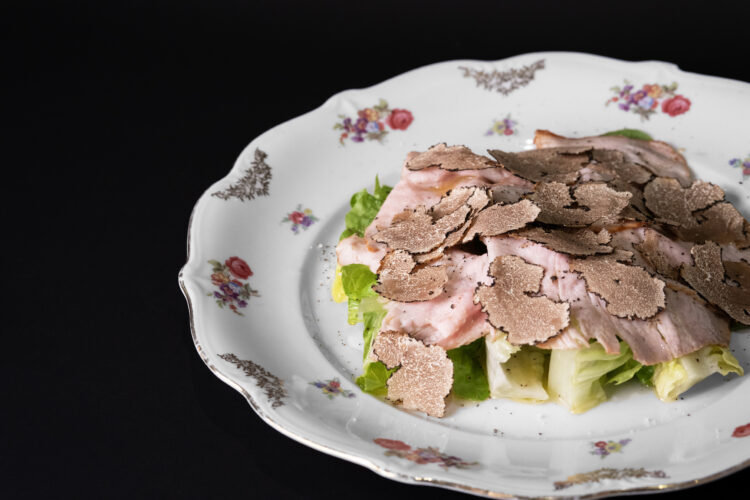
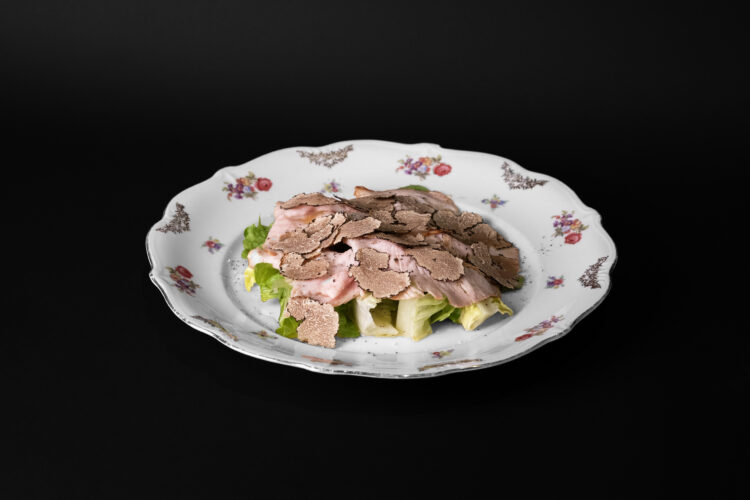
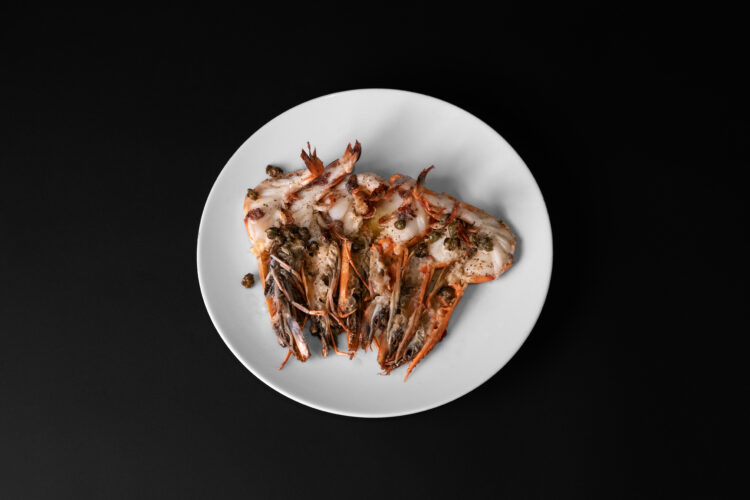
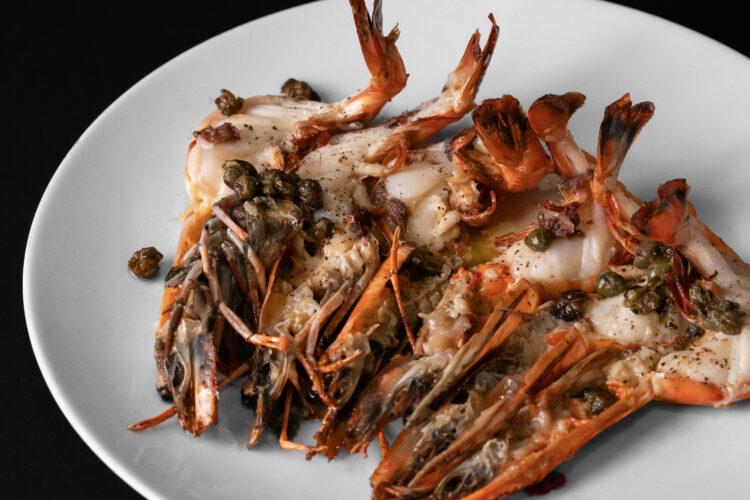
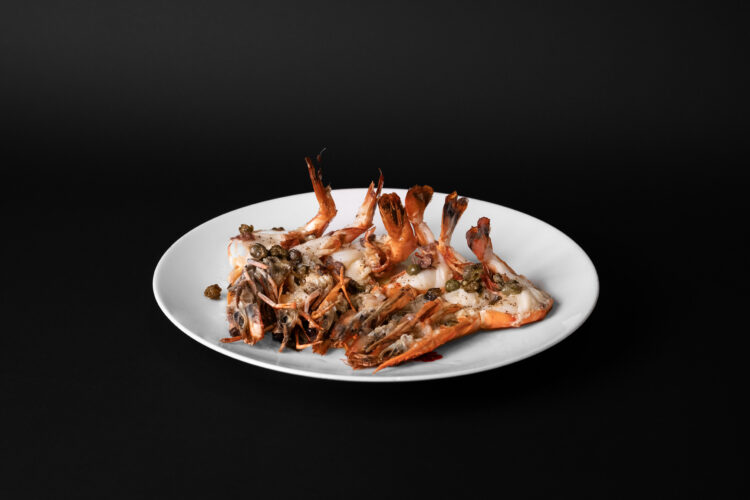
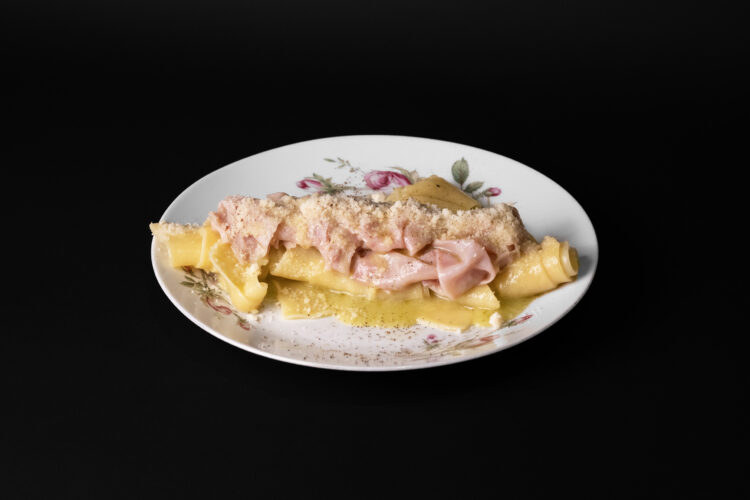
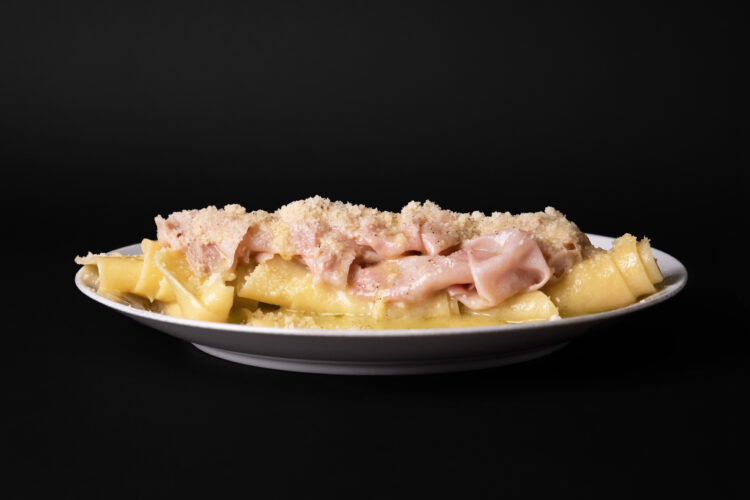
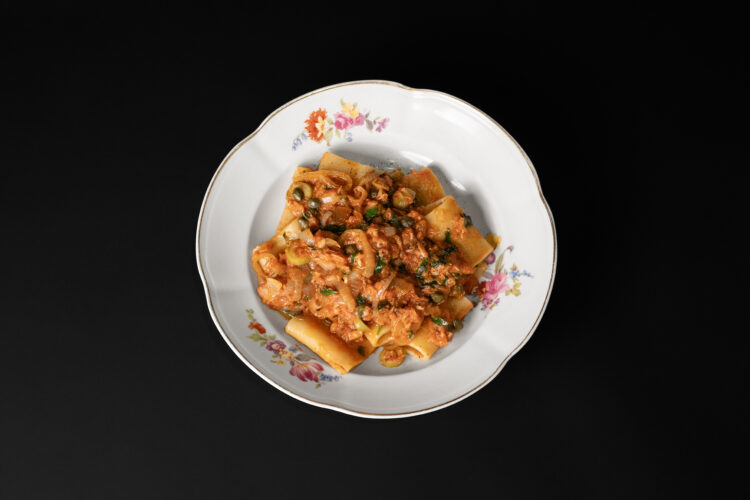
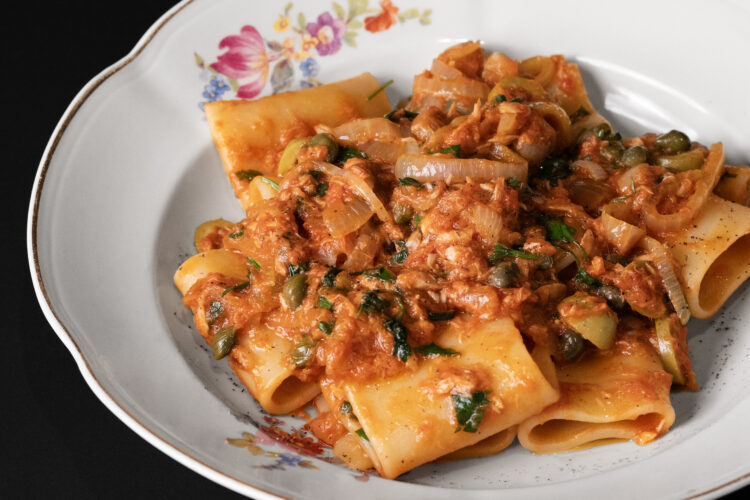
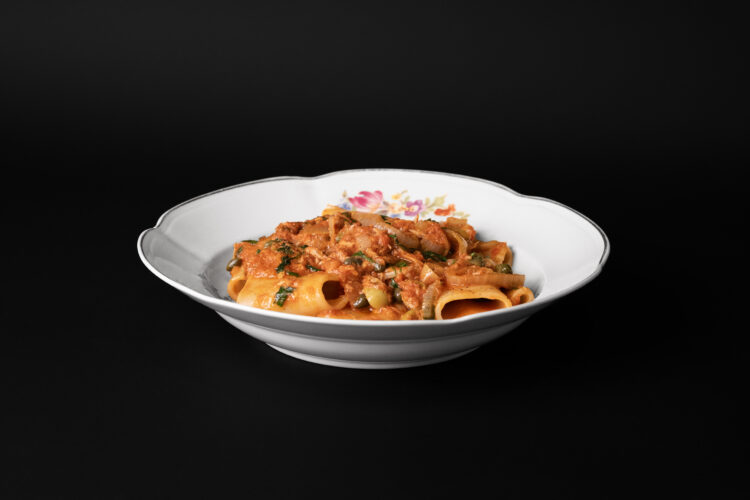
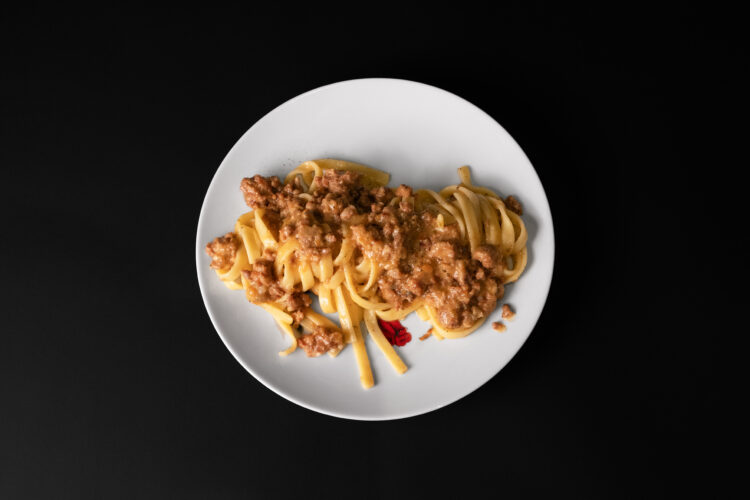
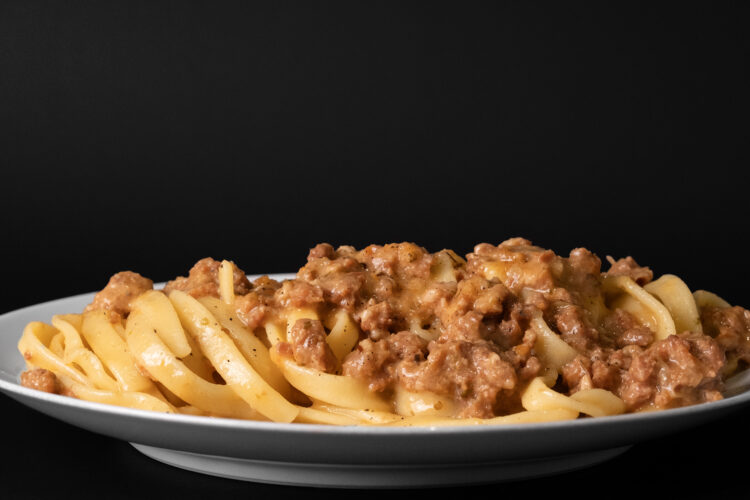
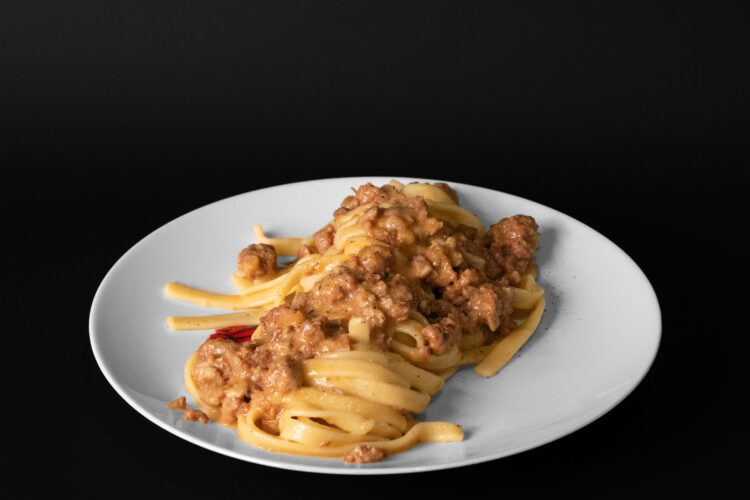
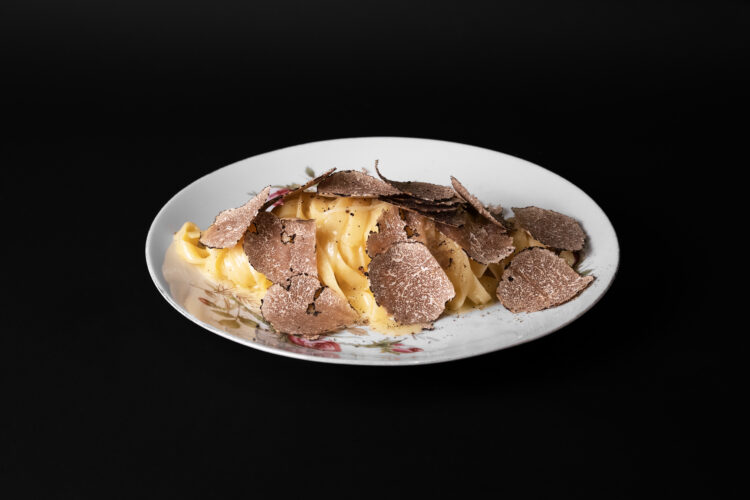
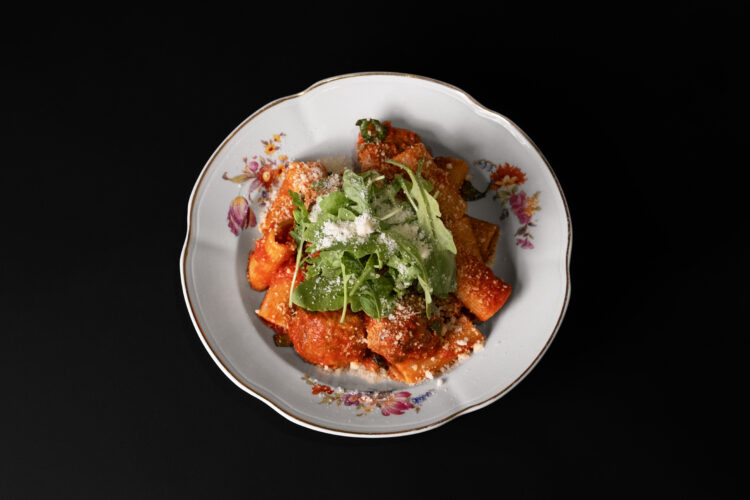
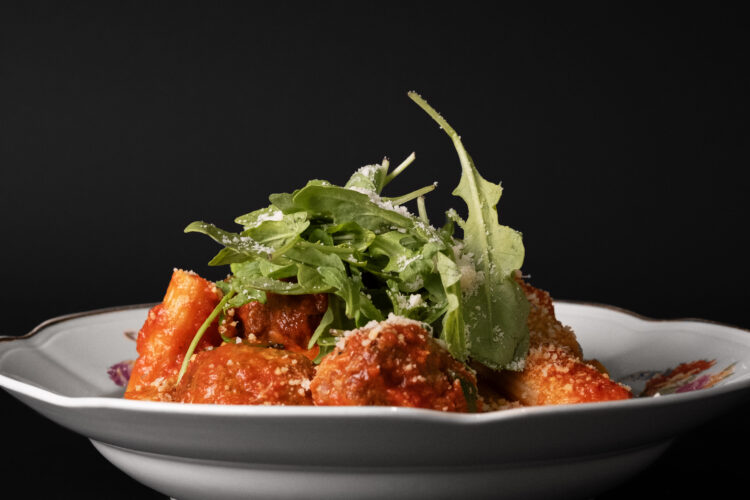
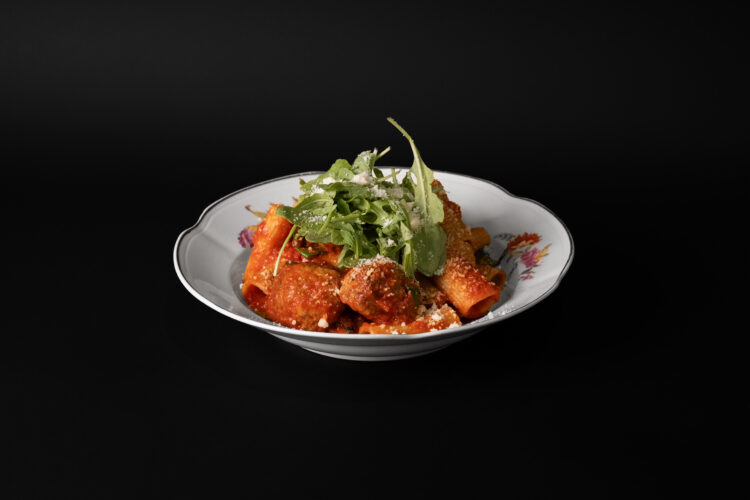
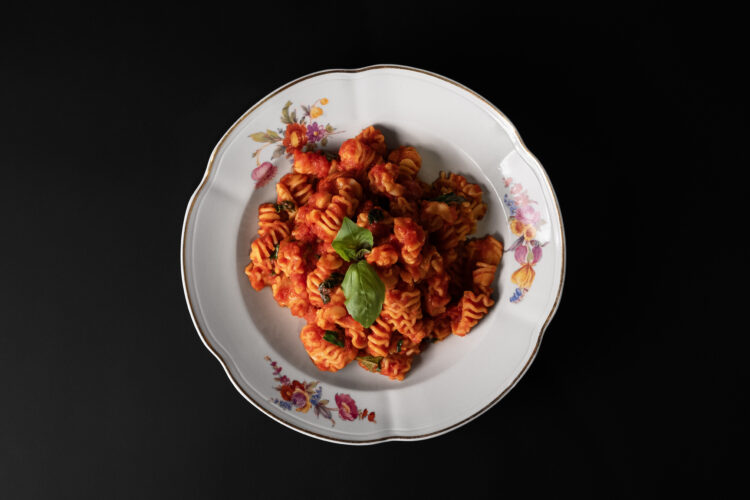
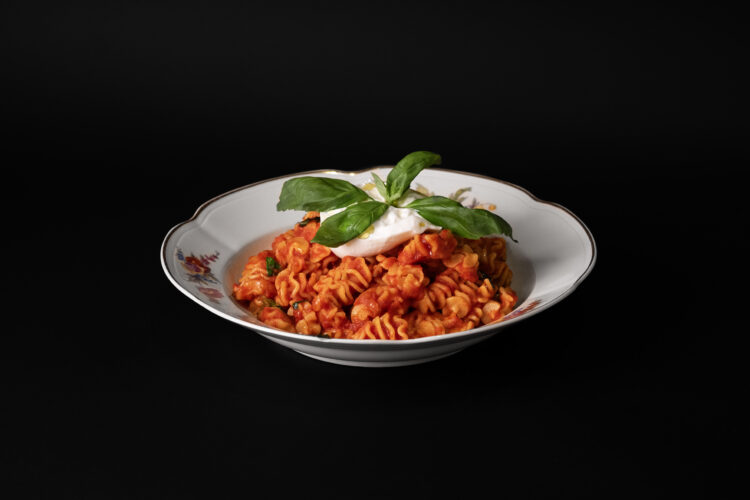
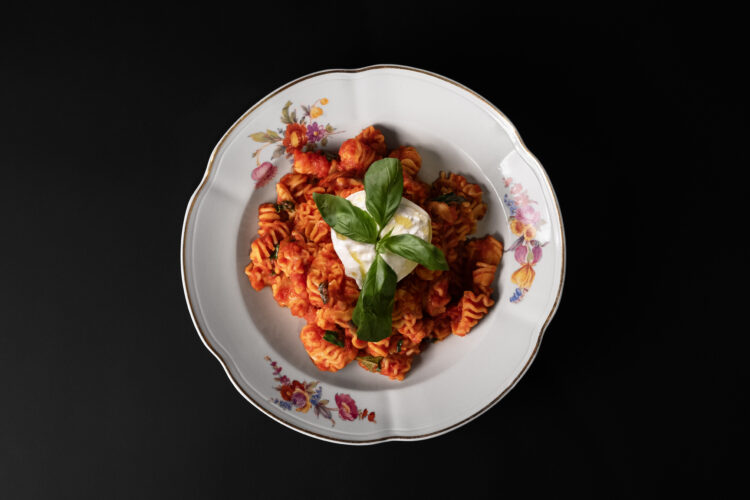
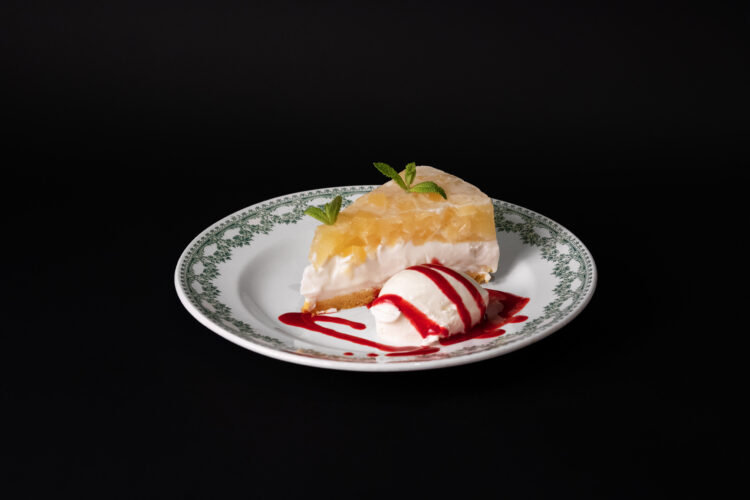
The plates follow the same path: direct, readable, without detours. Fried calamari with homemade herb mayonnaise. Celeriac carpaccio with green herb sauce. Spaghetti Cacio e Pepe. Rigatoni al ragù di vitello. Honest flavours. Straightforward and unapologetic. Nothing disguised. It lands exactly where it should.
And then there is the wine. Thomas Lambotte’s playground. Bottles with character. Not polished. Not tamed. Living wines, sometimes tense, always sincere. Winemakers who work the soil the same way others work dough: without cheating. Here, wine is not decorative. It responds. It extends. Sometimes it shakes things up.
The soundtrack could be Italian, yes. But not postcard Italian. More like a background pulse that accompanies without distracting. People talk, taste, stay. The setting fades, the moment takes over.
Frasca is not an Italian restaurant. It is a way of being. A reminder that tradition does not need to be polished to be beautiful. That simplicity can still bite. And that true flavour never needs to be loud to leave a mark.
A place that does not try to please everyone. And that is precisely why people come back.
LD · Eating · May 2026
eating likes
-
Löctave Restaurant
Discover this address
Chaussée de Namur, 51 à Profondeville
-
F-eat Restaurant
Discover this address
Rue d'Ombret, 7c à Engis.
-
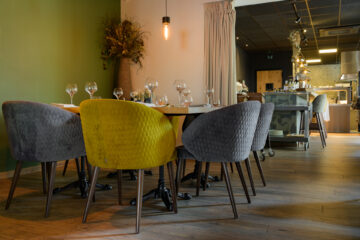
Le Petit Prince de Ligne
Discover this address
Rue de la Brasserie, 14b à Ligne (Ath).
-
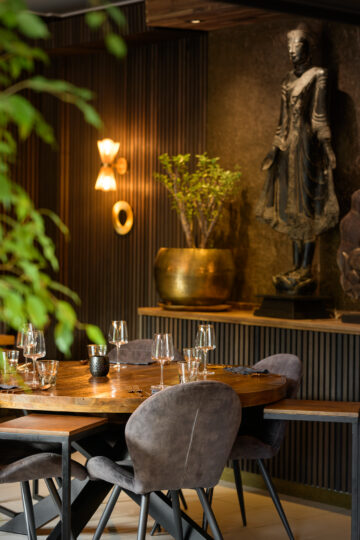
La Maison Thaï
Discover this address
Grand-Place, 2 à Ouffet
-
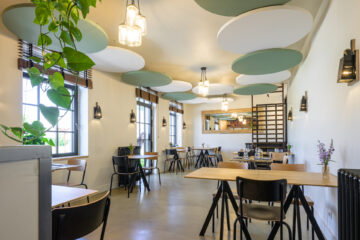
Émulsion Restaurant
Discover this address
Rue Ferdinand Francot, 8bis à Floriffoux (Floreffe).
-
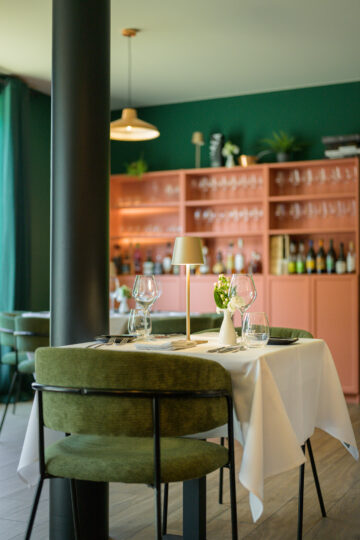
La Table de Jeanne
Discover this address
Rue de la Station, 8 à Silly.
-
Osmose
Discover this address
Rue de Nimy, 116 à Mons.
-

Le Saint-Germain
Discover this address
Route de Wiltz, 32 à Bastogne
-
L’Instant C
Discover this address
Rue d'Enghien, 8 à Mons
-
Crab Club Old
Discover this address
Chaussée de Waterloo, 7 à Bruxelles (Saint-Gilles).
-
Au Gré des Saisons
Discover this address
Rue d'Achet, 70 à Achet